Puno & Lake Titicaca
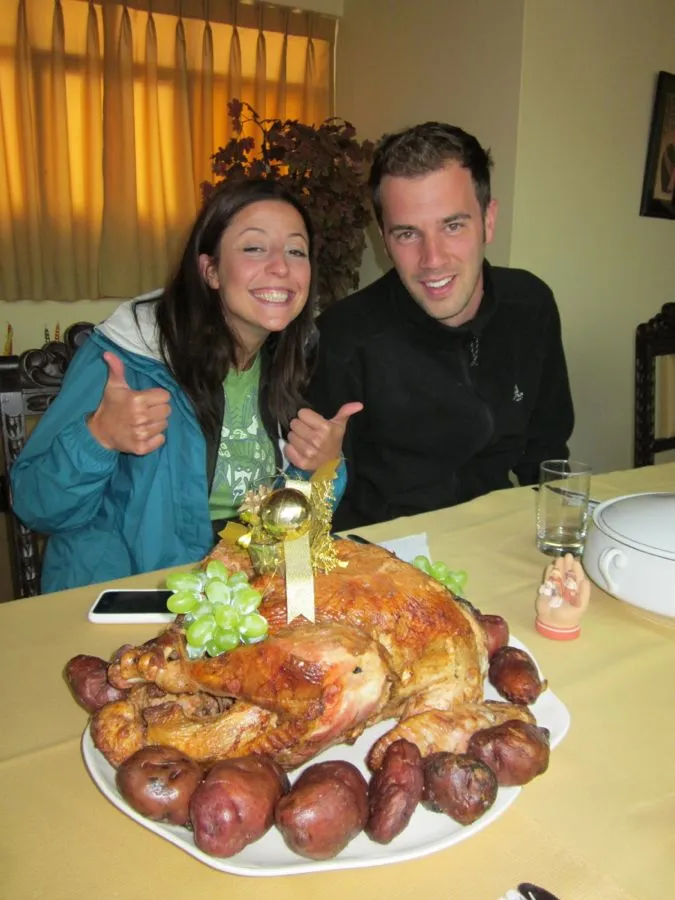
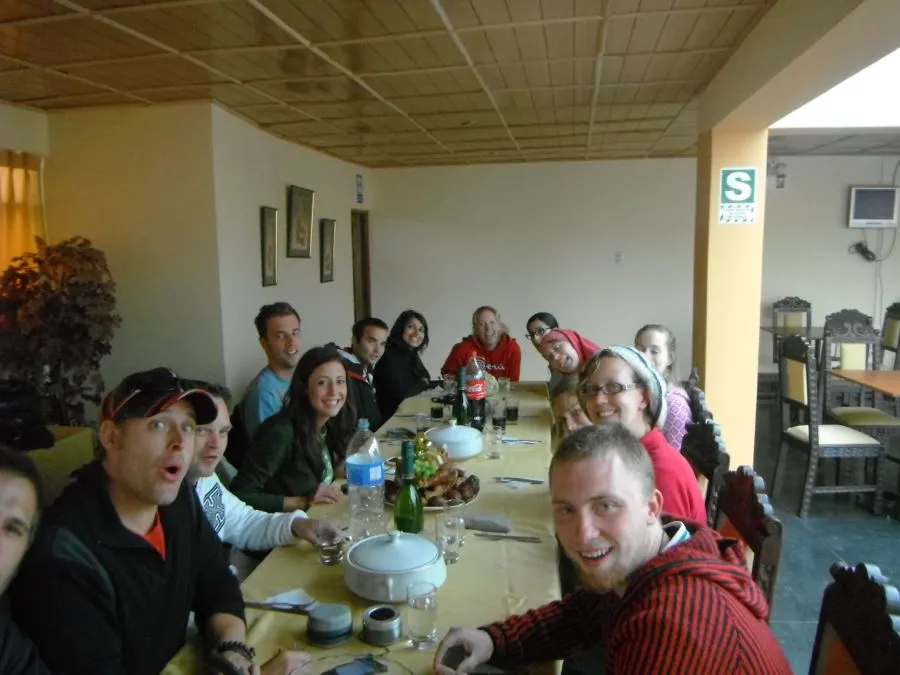
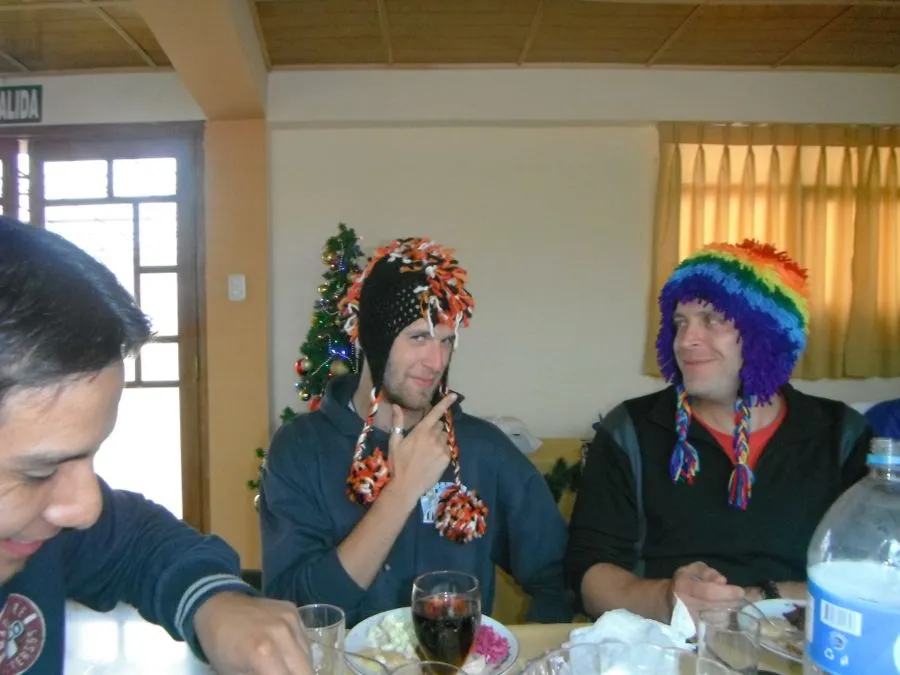
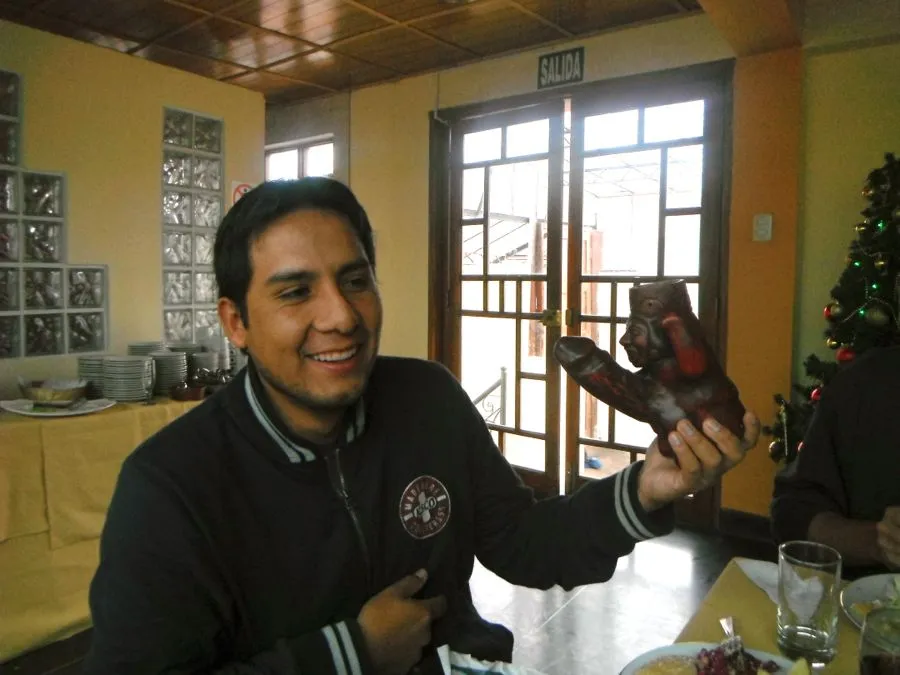
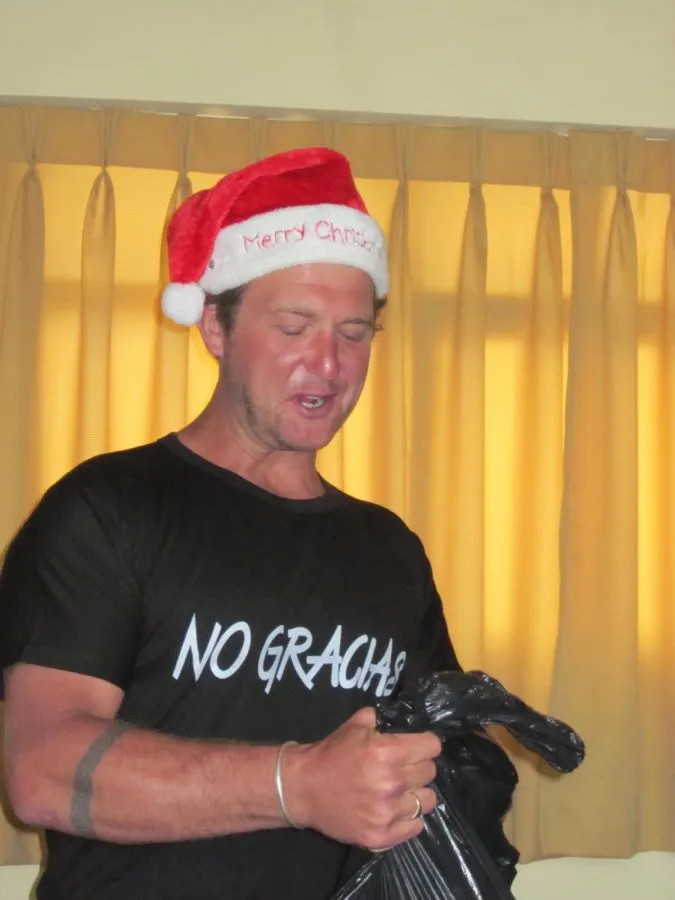
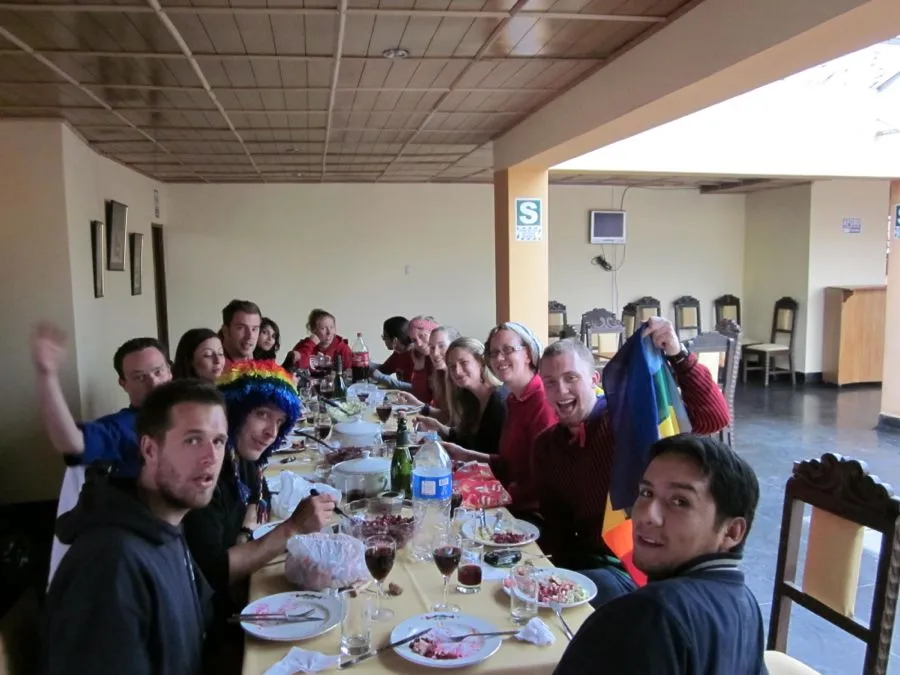
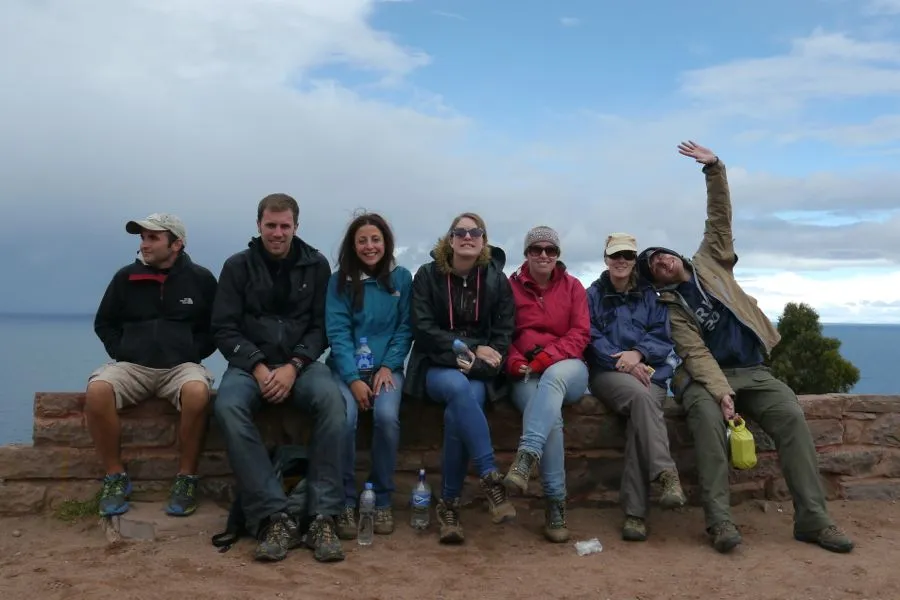
After the high of reaching Machu Picchu and our very drunken Christmas Eve celebrations, Christmas day was much more chilled and somewhat civilisedx. Alim, our guide, arranged for a nice Christmas lunch at our hotel with a massive roast chicken, traditional Peruvian salads and some local bubbly. We had our secret santa presents (most of which were from the local crafts market), drunk our hideously sweet wine and played games most of the afternoon. We were all really missing our families and friends, so it was really nice to have all of us together and made it feel a little bit more like Christmas.
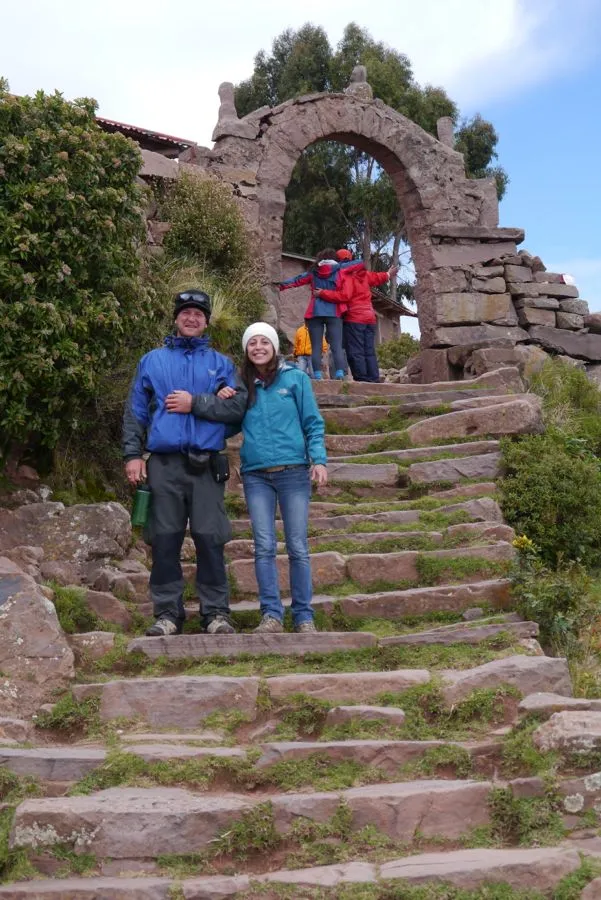
Early on boxing day we left for Puno, the gateway city for Lake Titicaca and it's islands. I'd been looking forward to Lake Titicaca for a while now, as we had a homestay booked with a local family. Before setting off on the lake we went shopping for some Christmas presents for the kids in the community we were visiting and also bought food supplies for our homestay families, who although grow nearly all their own crops (mostly potatoes) still needed things like cooking oil, rice, sugar, etc.
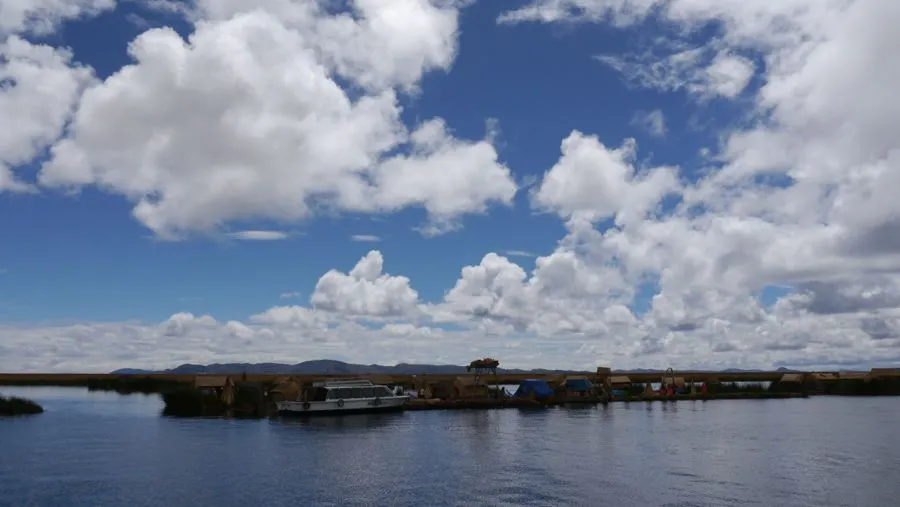
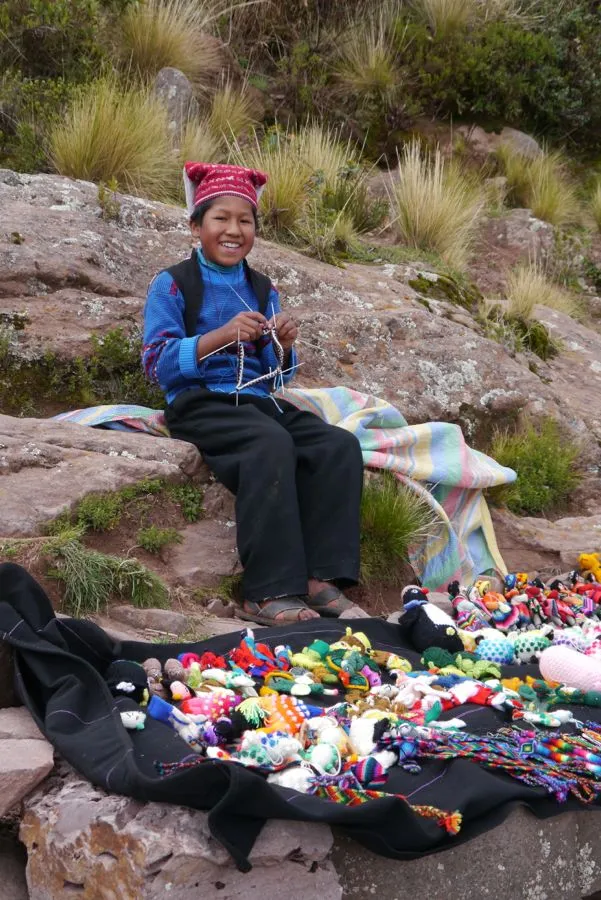
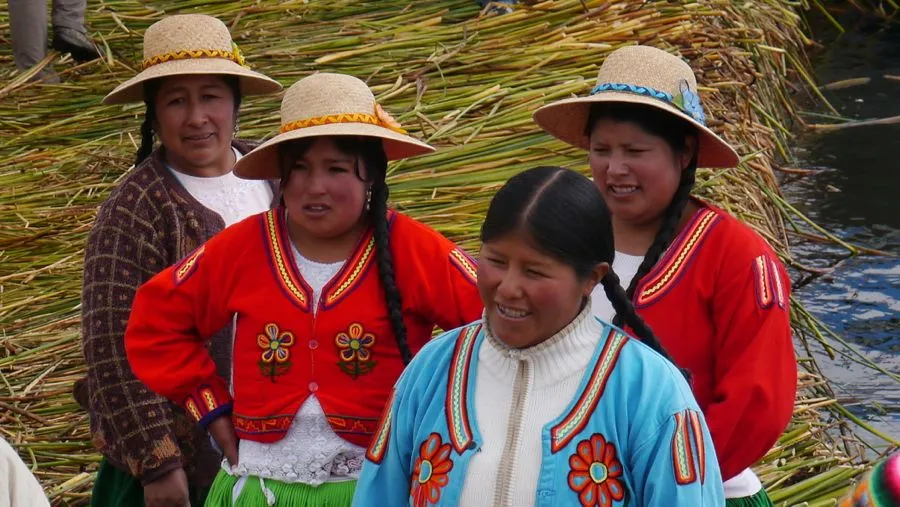
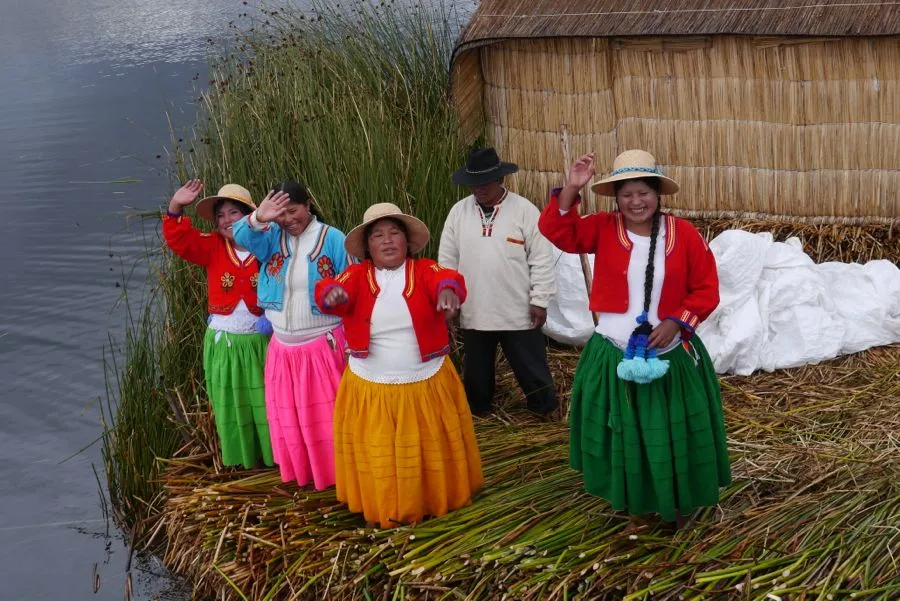
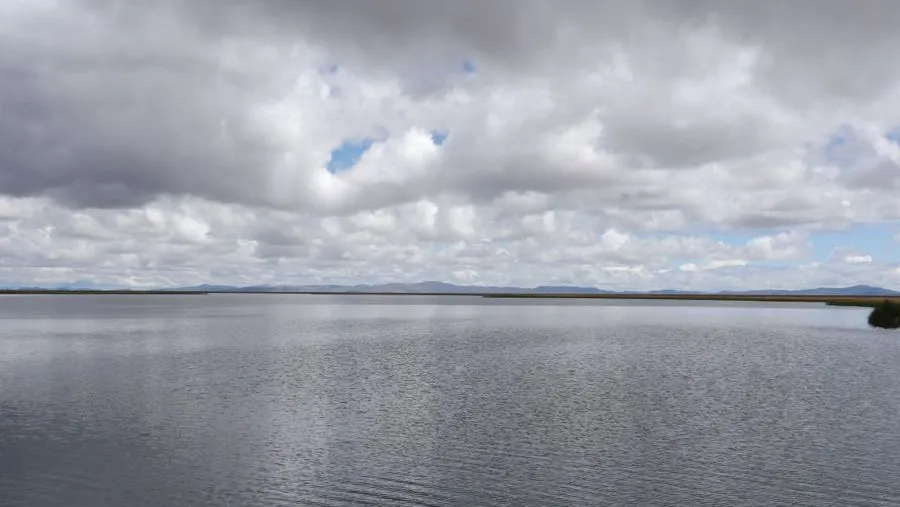
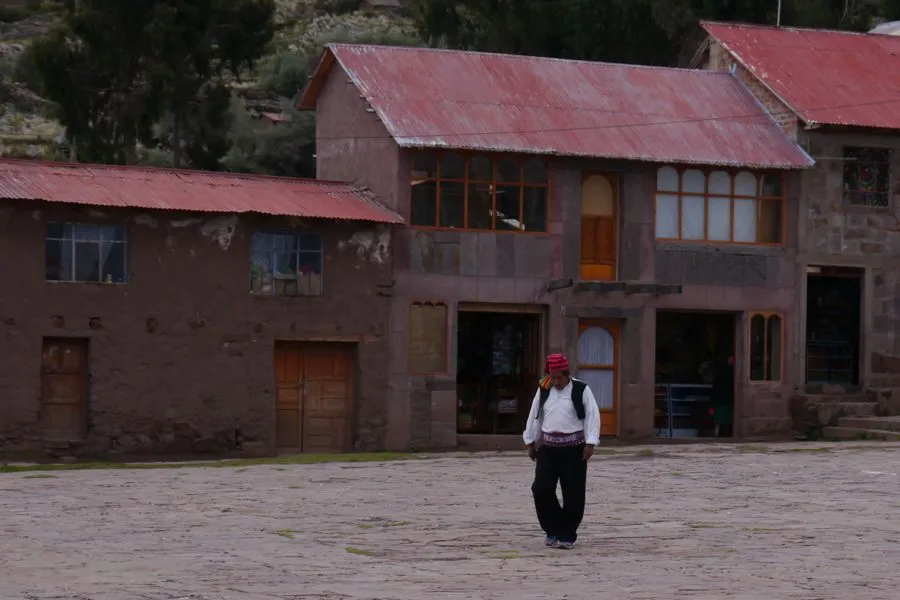
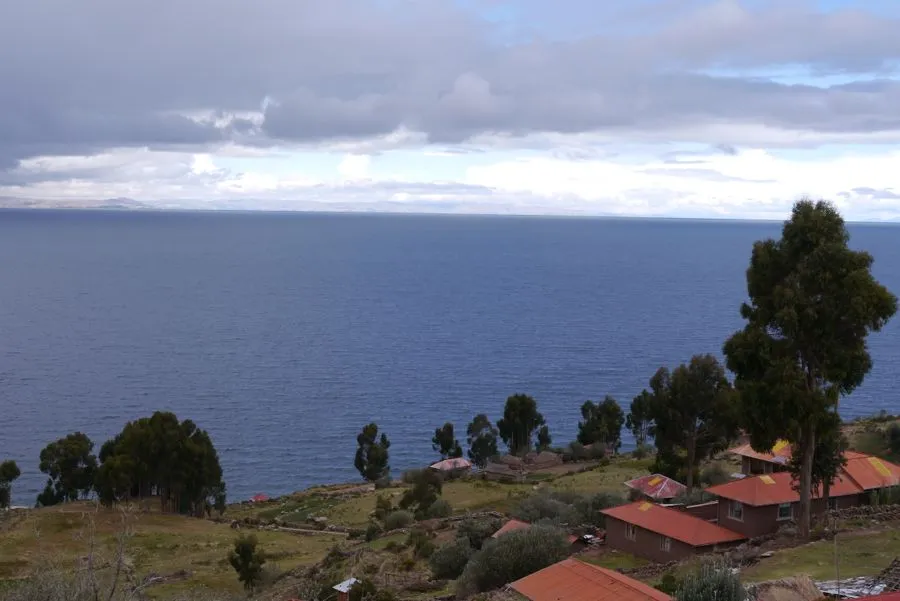
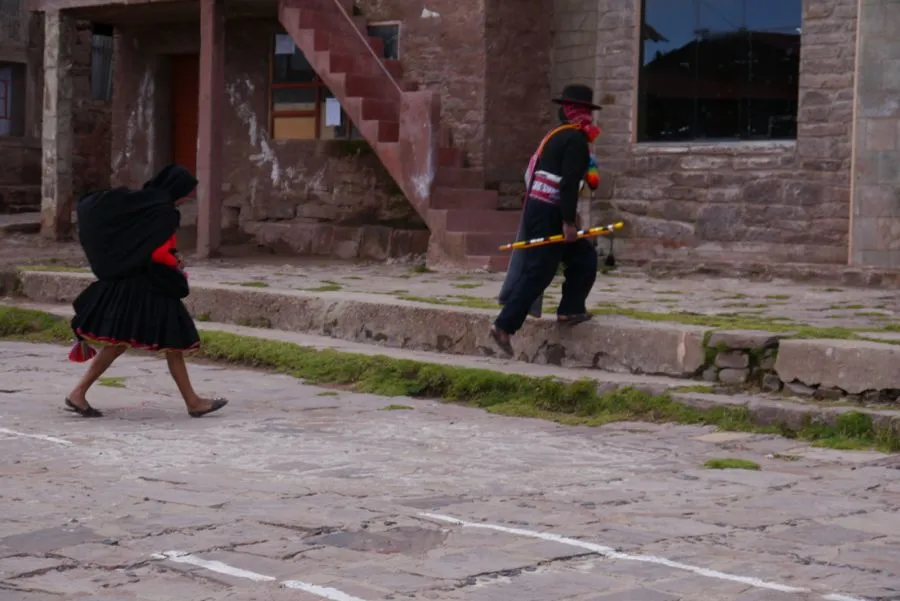
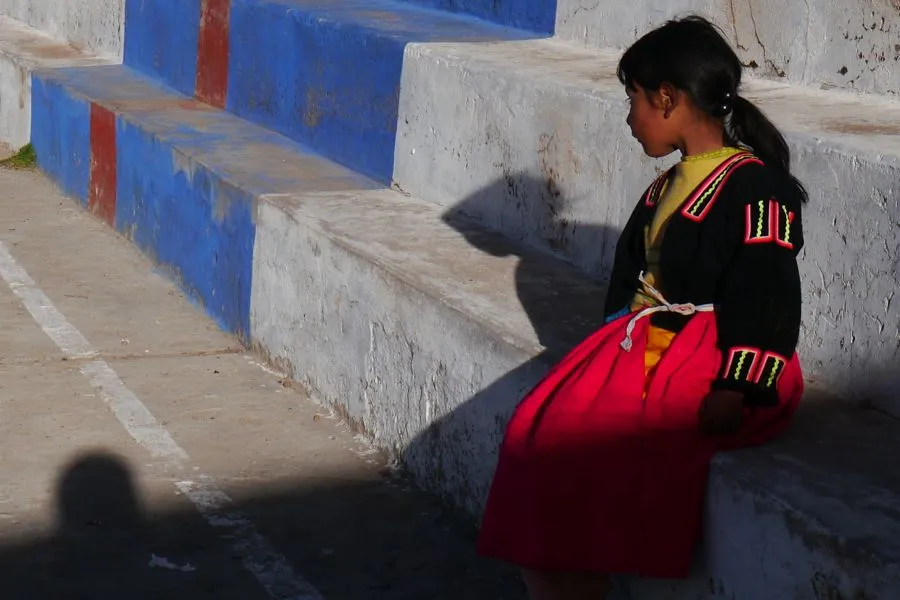
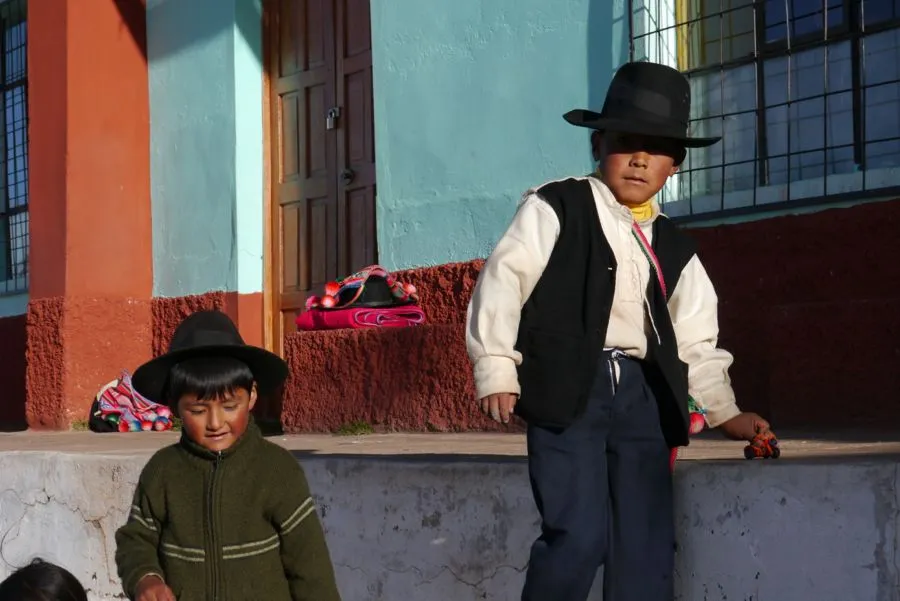
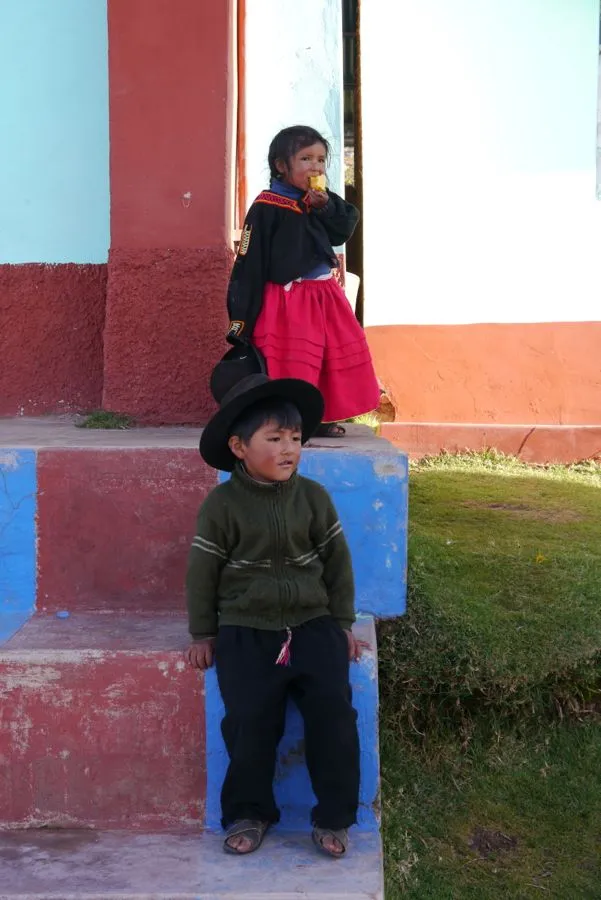
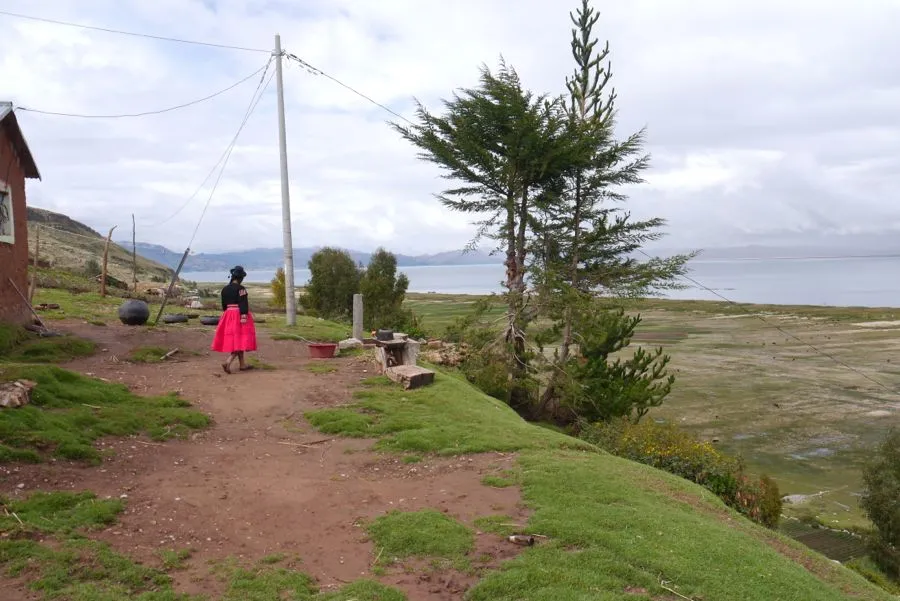
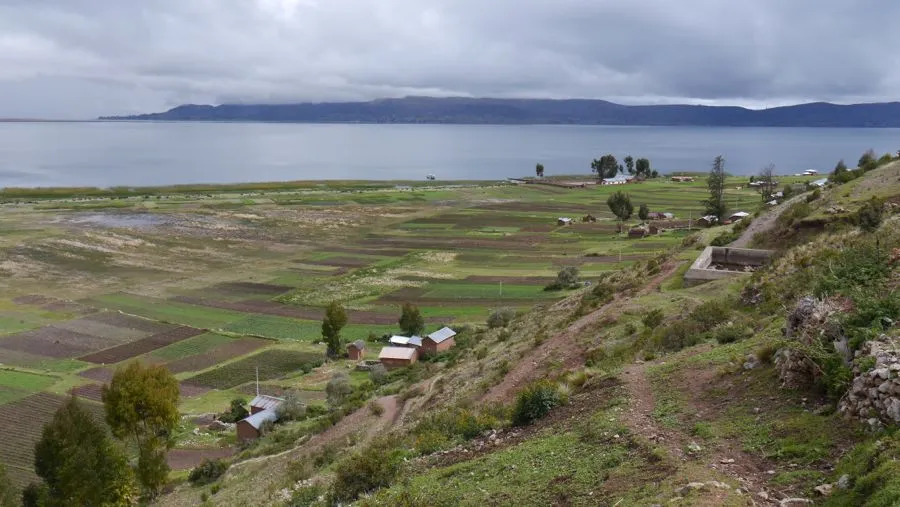
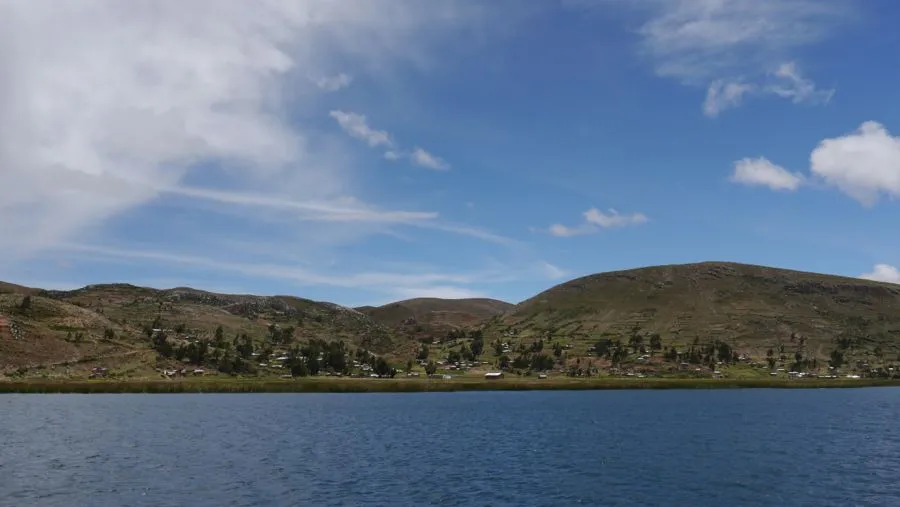
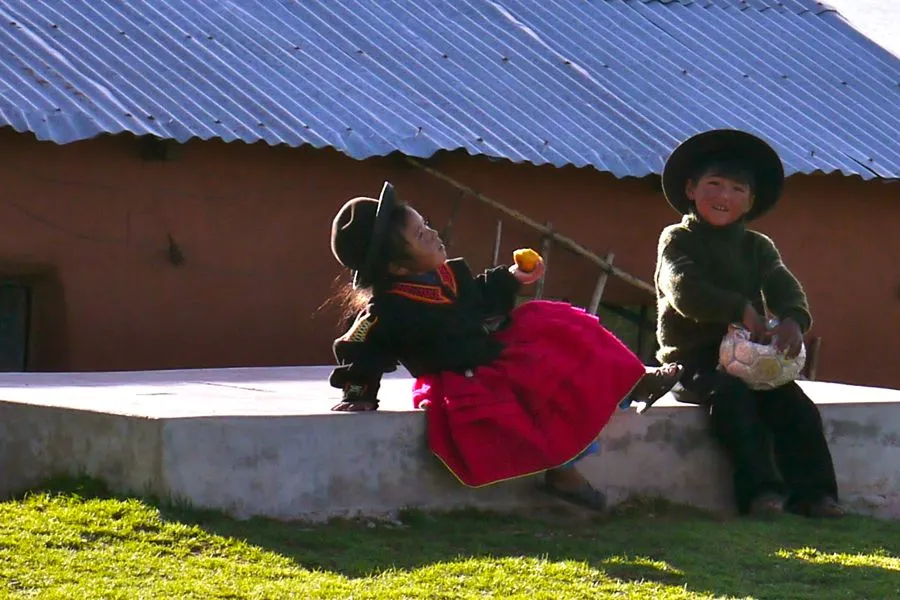
Set at an altitude of 3800 metres, Lake Titicaca is the highest navigable body of water in the world and it is massive, connecting Peru to Bolivia. The local population, many of whom are direct decedents of the indigenous Aymara and Quechua people, believe the lake to be a sacred place and they also very much retain all their traditional beliefs and cultures. The clothing varies between the islands but mainly it's very colourful skirts for the ladies. In the island of Taquile a black skirt signifies that you are married and the gents wear long hats which they make themselves by first weaving their own colourful material. In this island men did all the knitting and weaving, and the quality of their handmade goods were judged prior to acceptance of a marriage proposal. This means that young and hopeful boys start early on their education and produce some lovely hats and gloves by the time they are in their early teens. The men also wear funny colourful bags on their shoulders, which are used they use to carry their Coca leaves. At meetings, festivities and weddings Coca leaves are exchanged between them as a part of a religious ceremony..
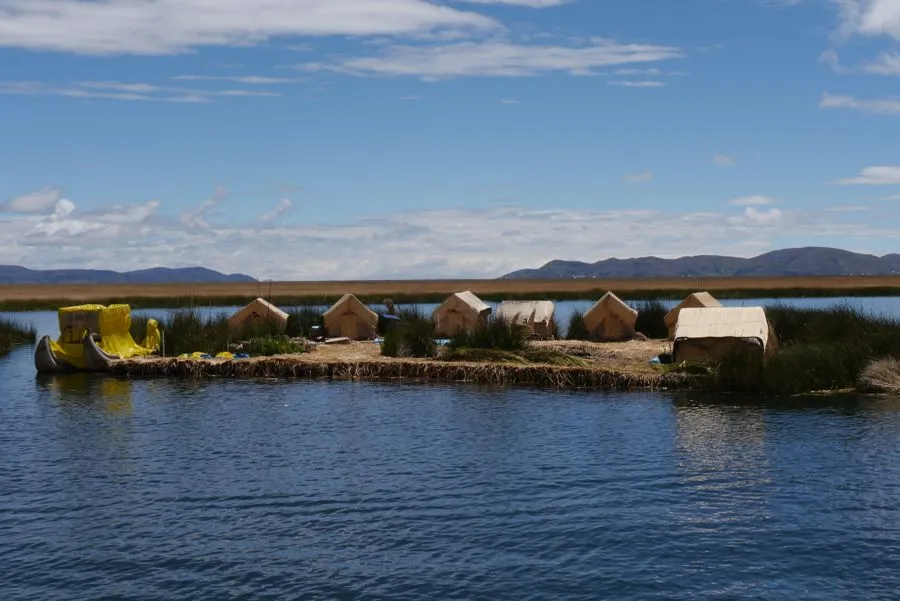
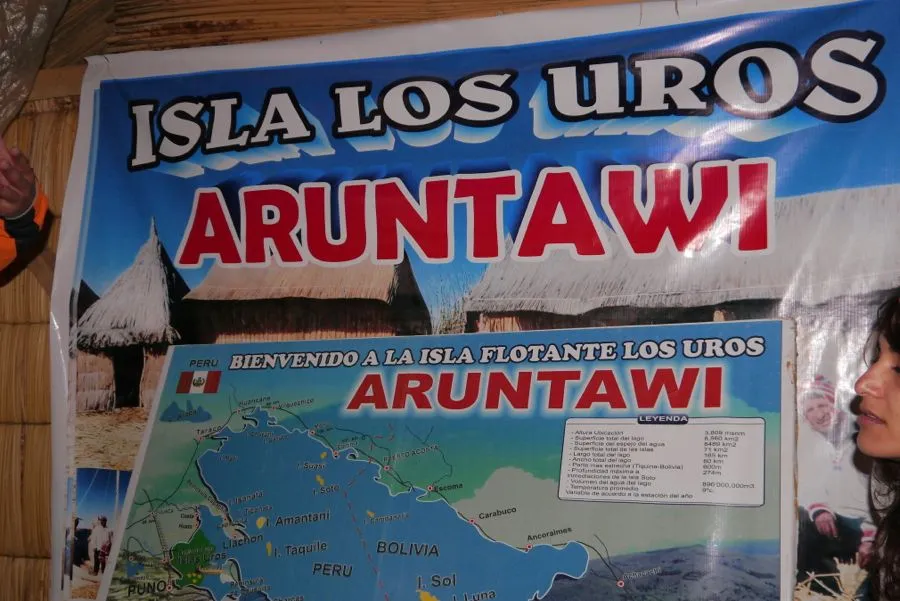
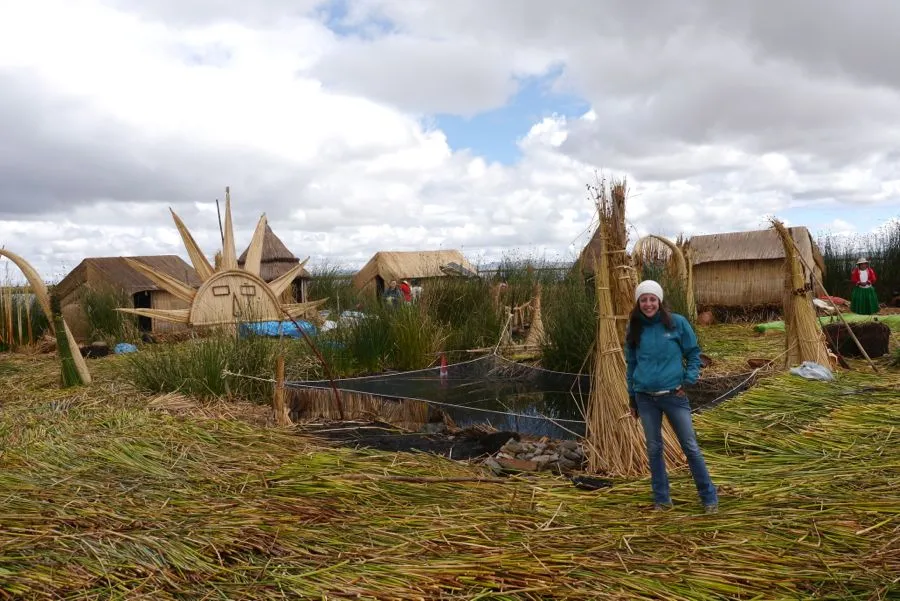
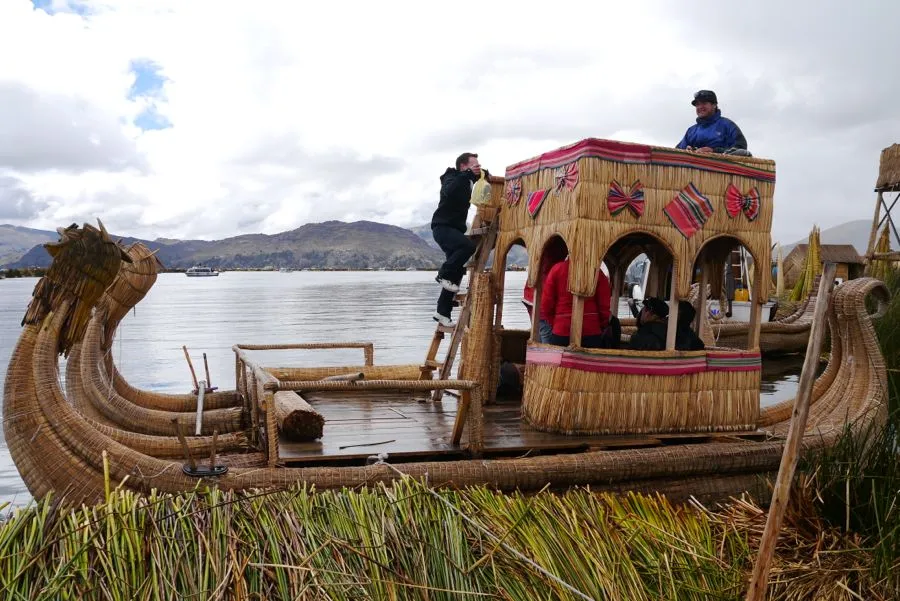
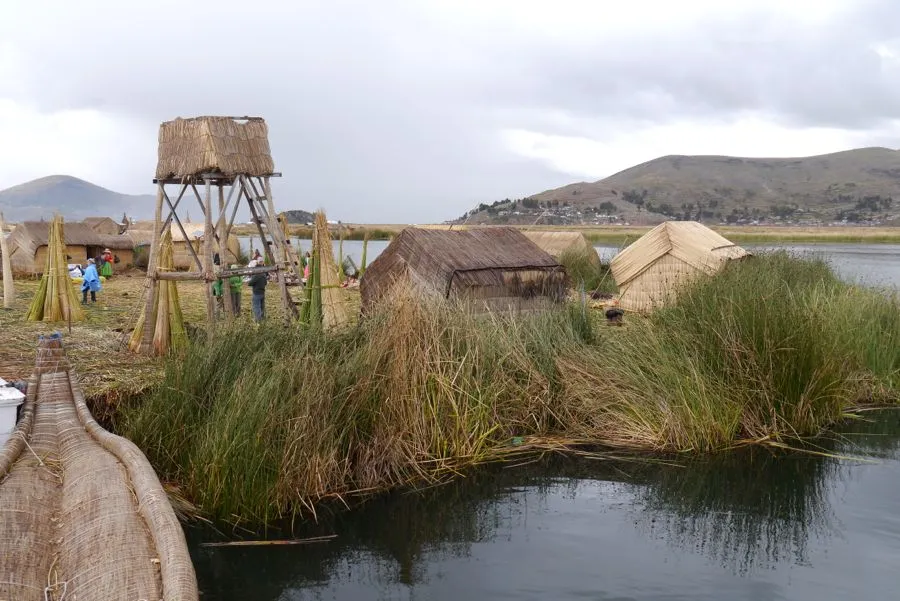
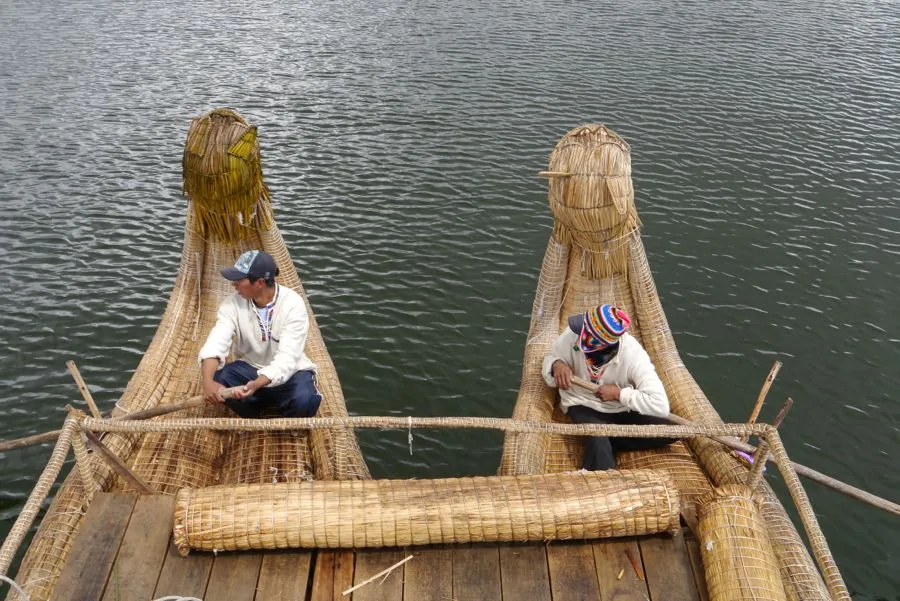
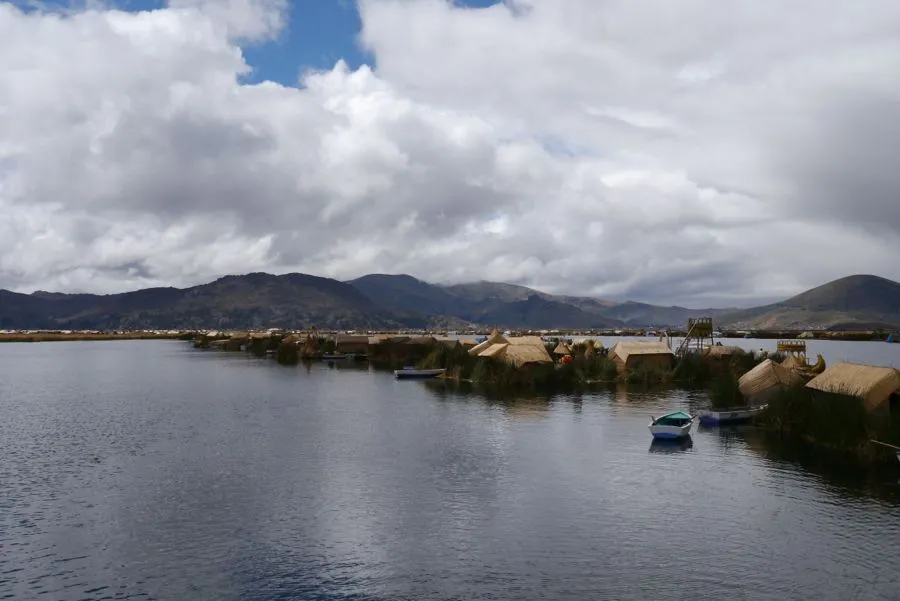
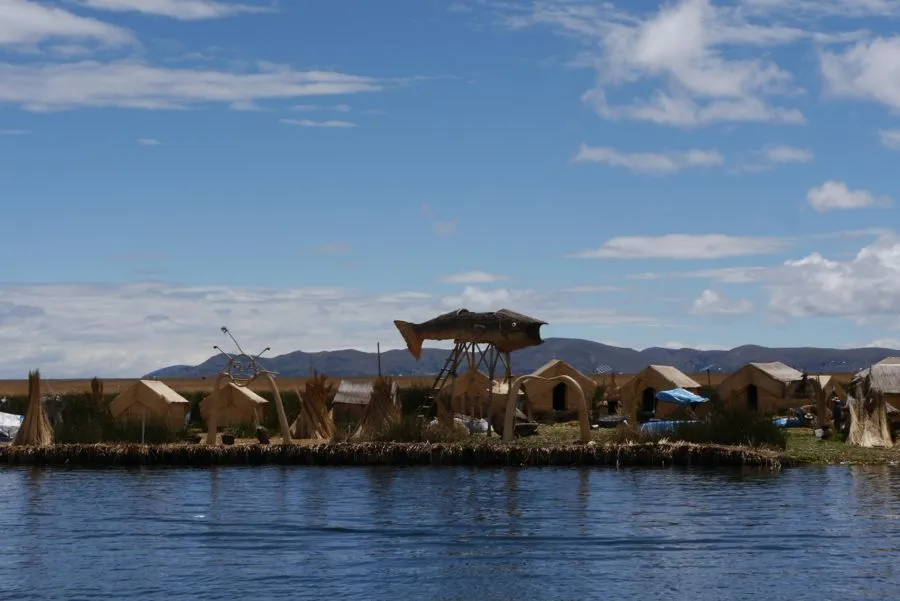
Lake Titicaca is also the home to the famous Uros Floating Islands. For centuries the people on these islands have been building their own islands and decorative boats from reeds, and fishing to earn their living. Unfortunately tourism is the only business on these islands nowadays and our short visit felt very commercial. We had a short explanation of how they build their islands and have to consistently add new layer of reeds to maintain them. We were taken into one of the houses to look around, ask questions and most importantly buy their handicraft and souvenirs. We also found out that most of the people lived on the mainland and only came to islands during the day to sell their wares. However, the ladies on the island sang and danced for us and we were taken for a quick lap around in one of their boats, which was good fun.
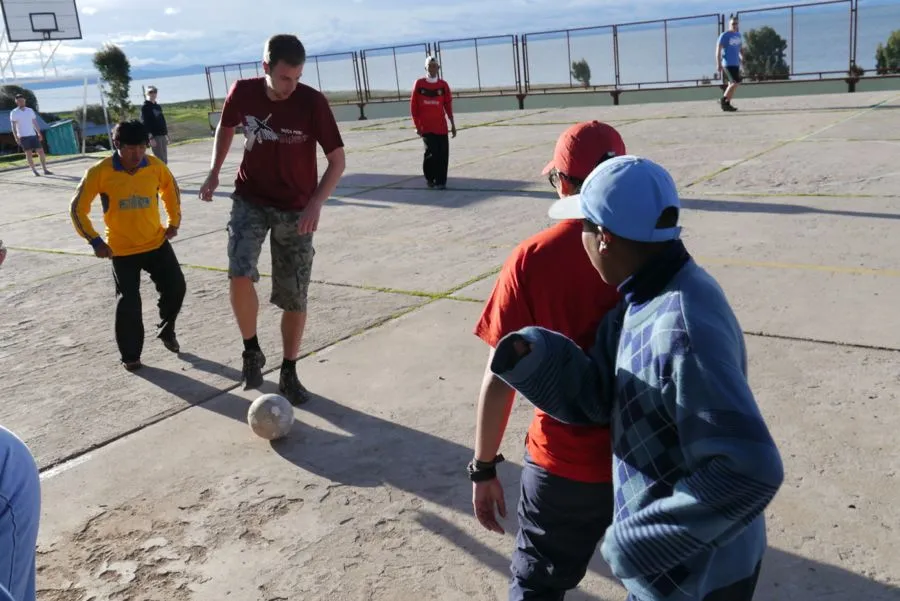
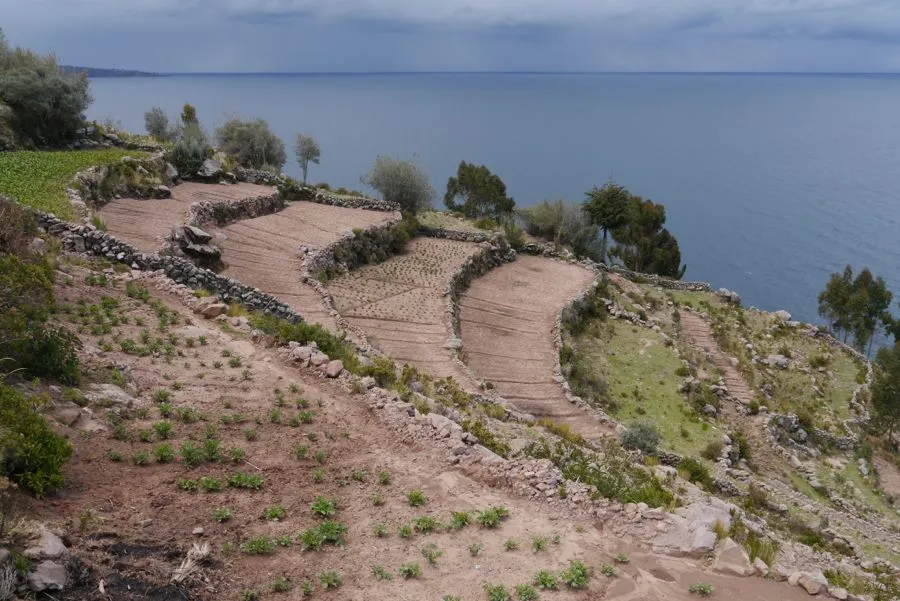
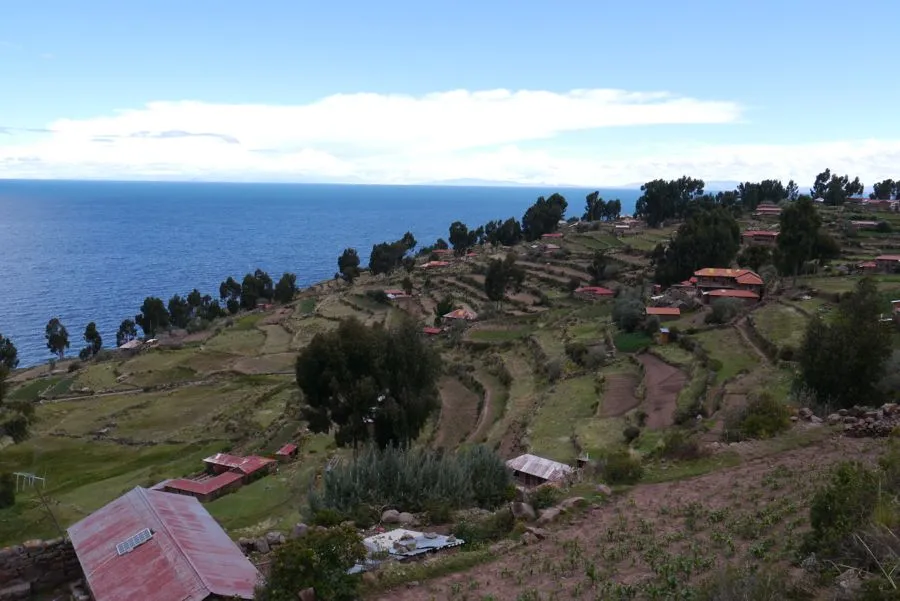
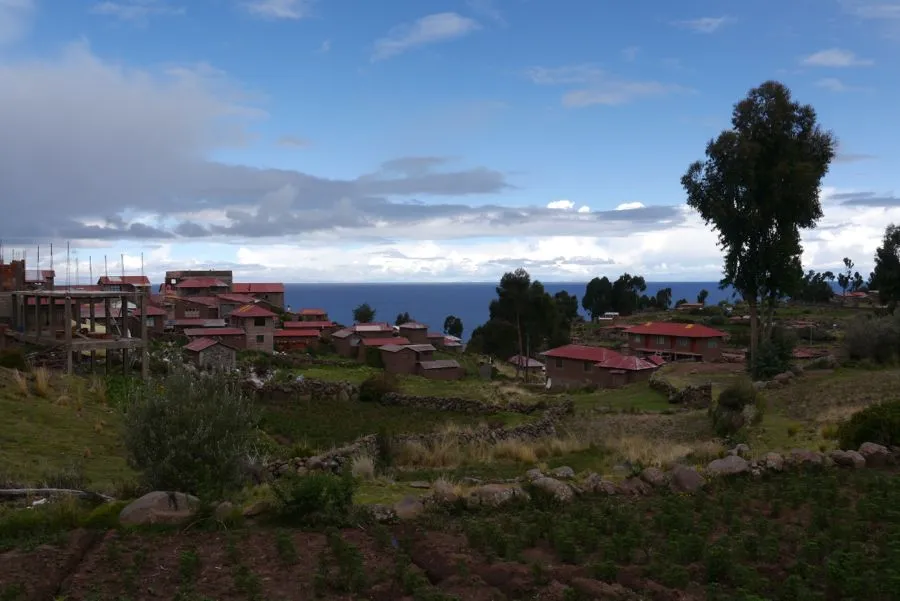
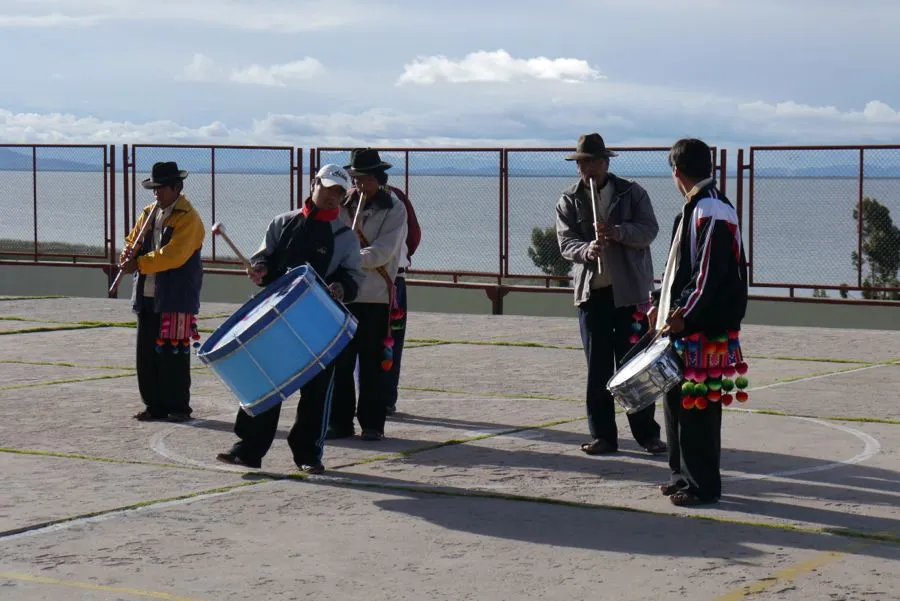
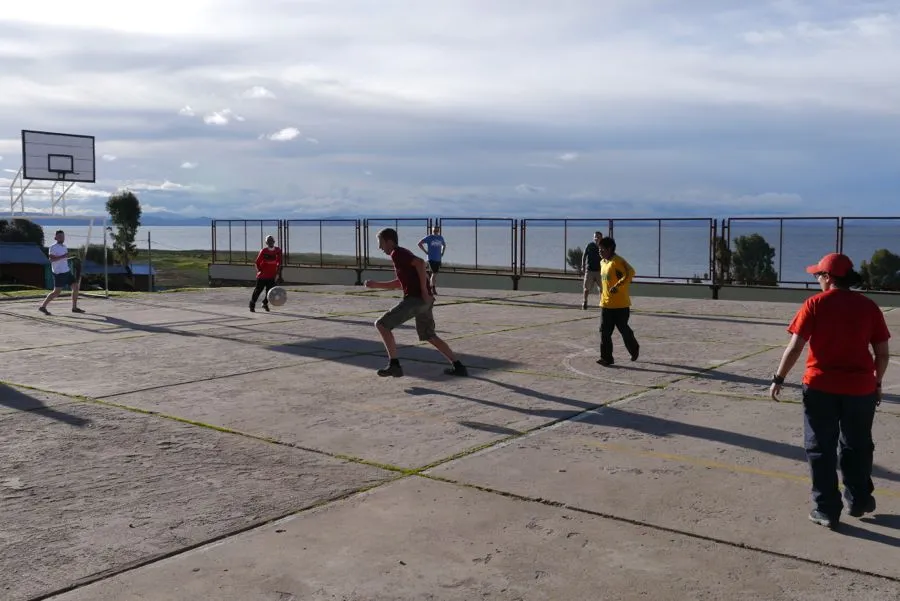
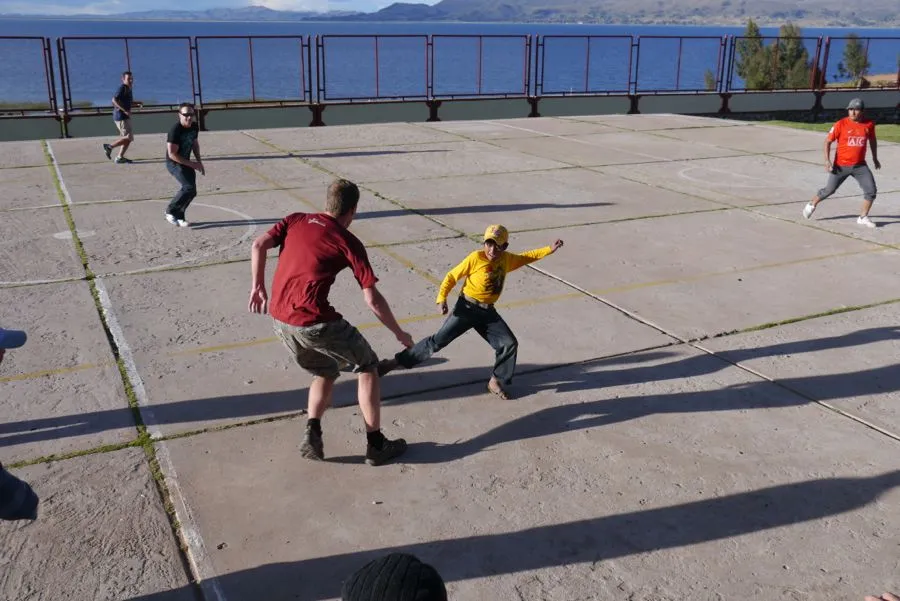
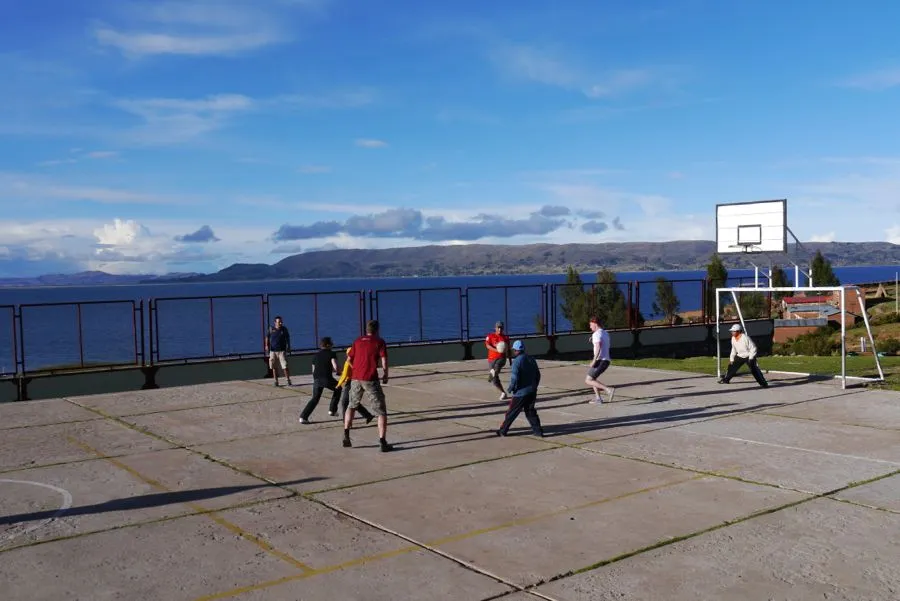
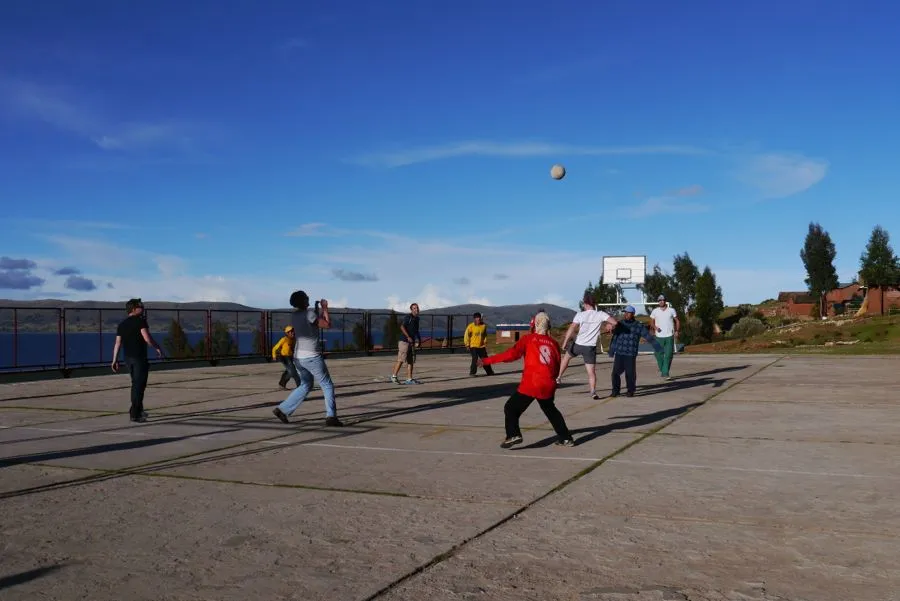
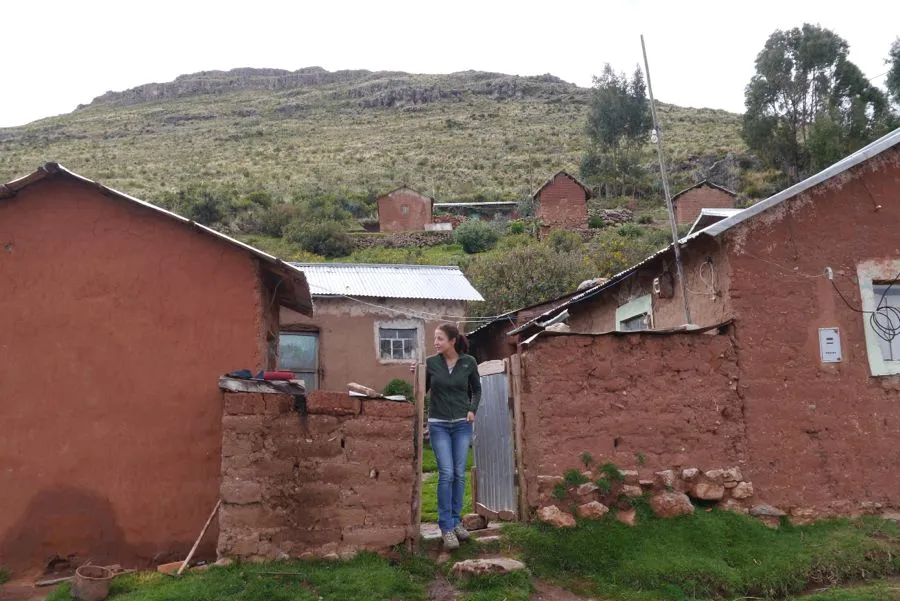
Thankfully the community we were staying with were untouched by tourism. They were aymara farmers, growing their crops on the hills surrounding the lake and living in traditional houses made of mud bricks. They spoke aymara, although thankfully could speak Spanish as well. As our boat docked on the pier we were met by the sound of their instruments. They had all gathered to meet us and after a quick handshake they took us up to the school grounds, playing their traditional music all the way there. They welcomed us to their community with a game of football. At this sort of altitude our team just could not keep up with the locals and after a few minutes all looked like they may pass out. There were many substitutions on our side and very many goals scored within our posts. However it was so much fun and what a great way of breaking the ice.
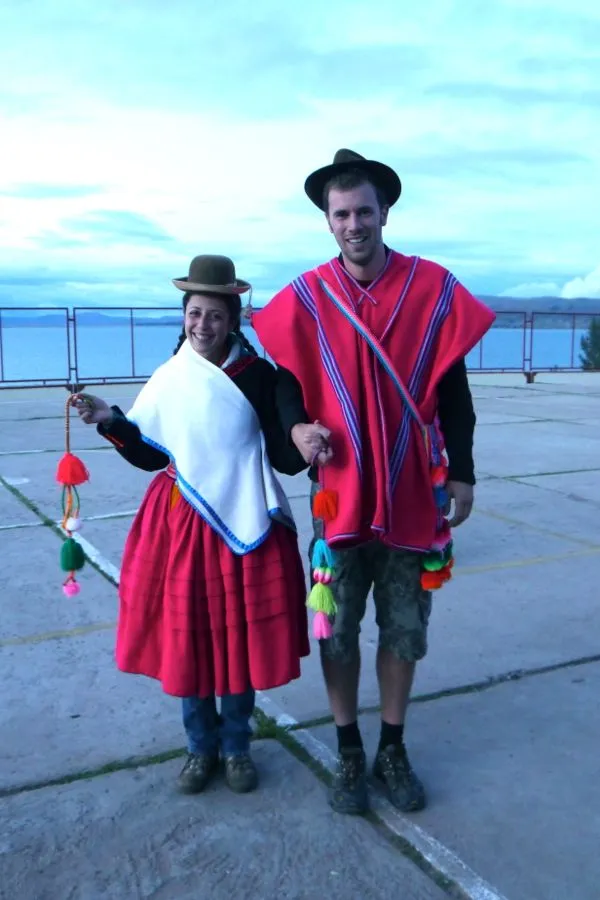
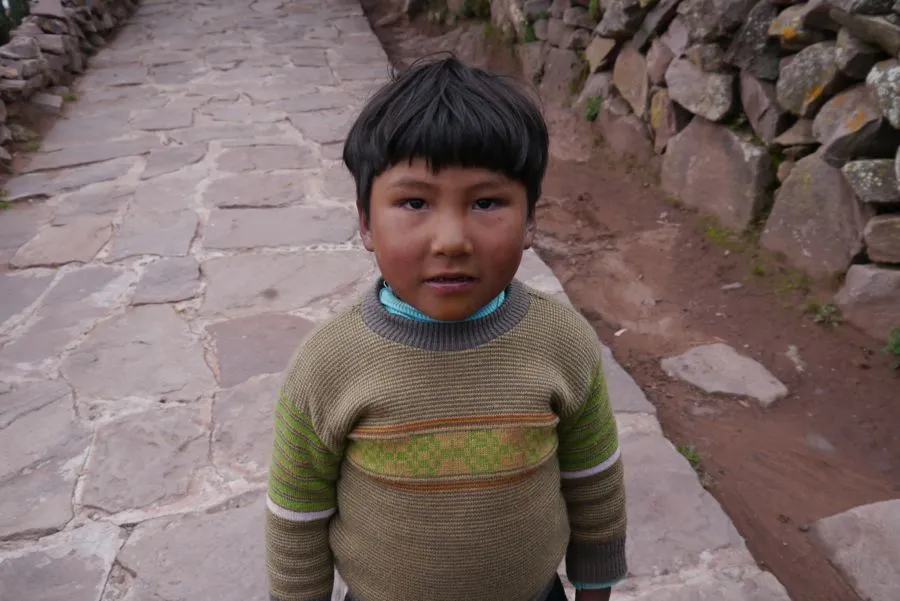
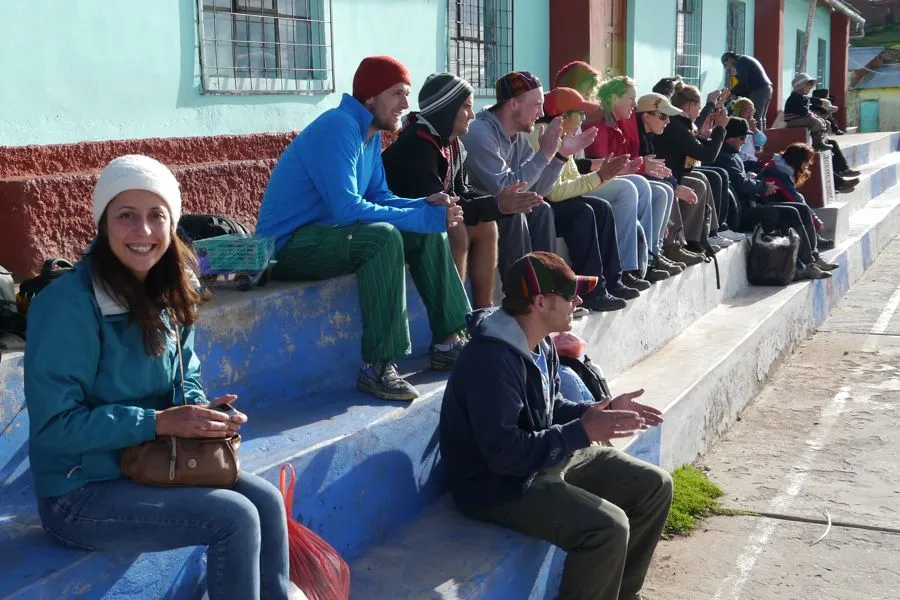
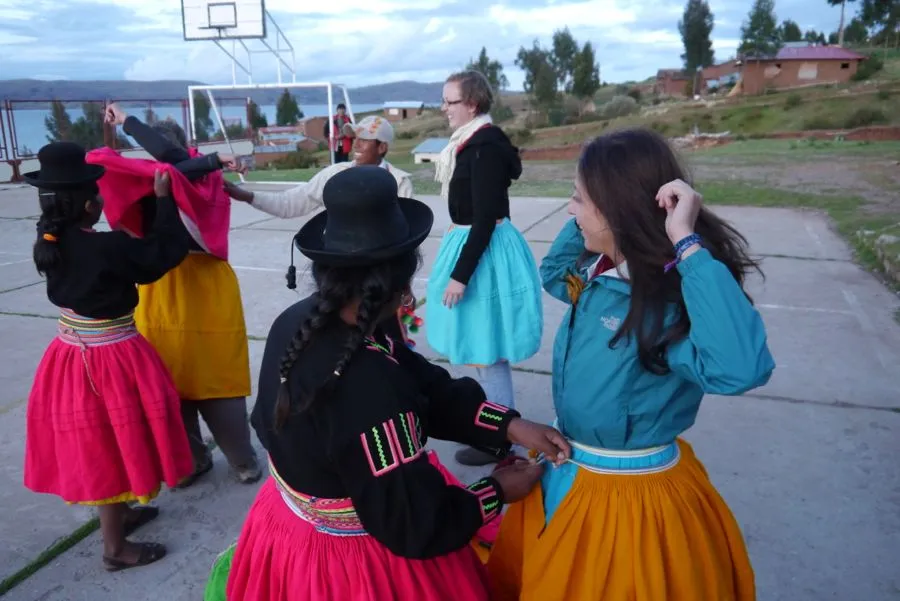
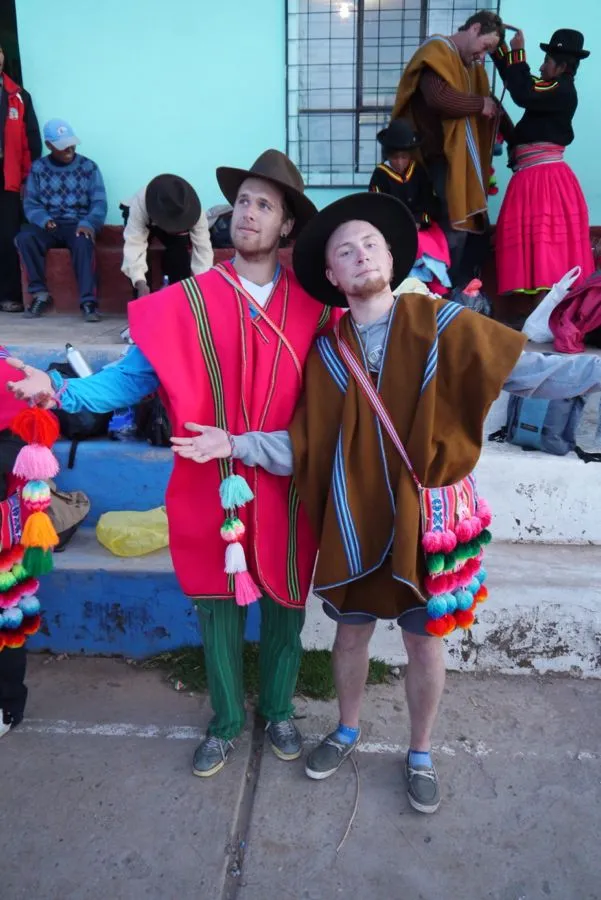
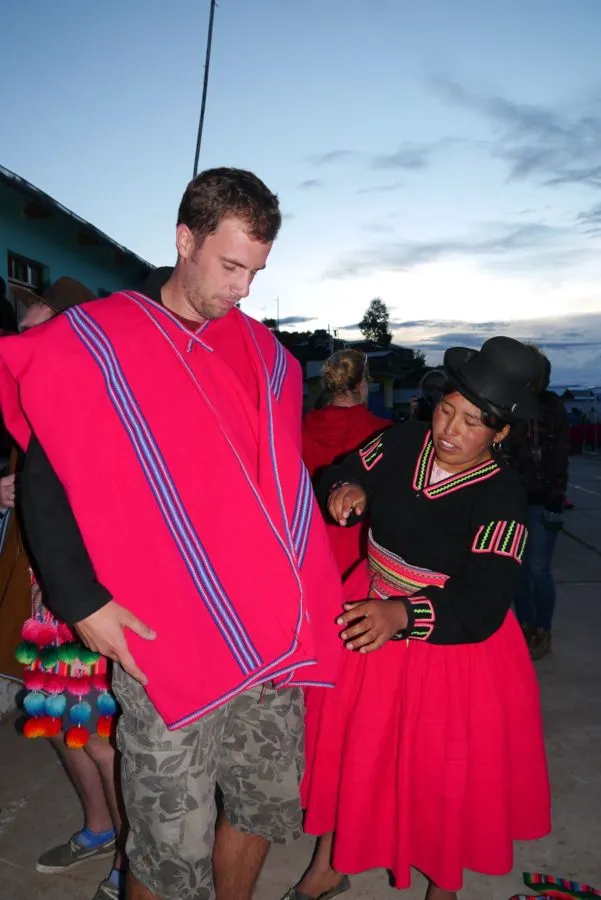
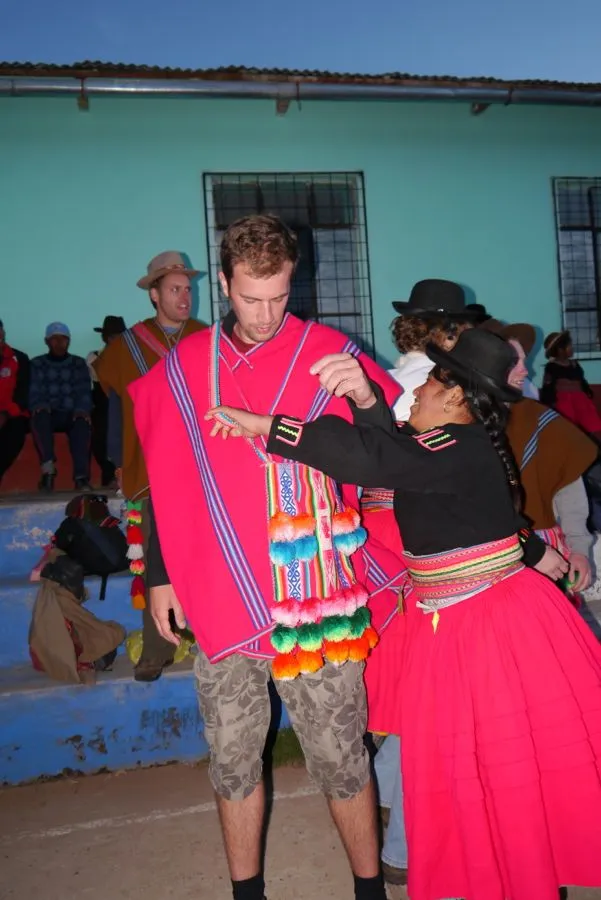
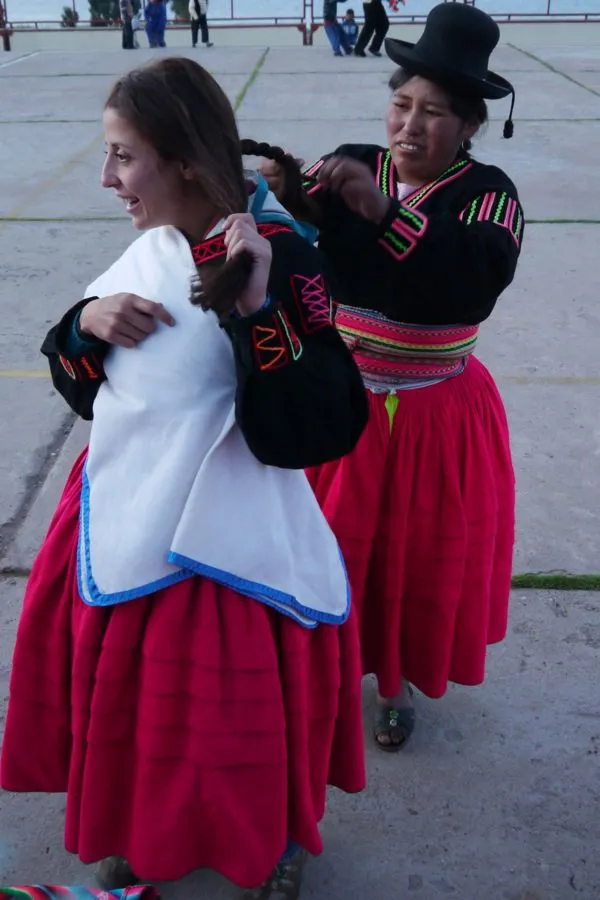
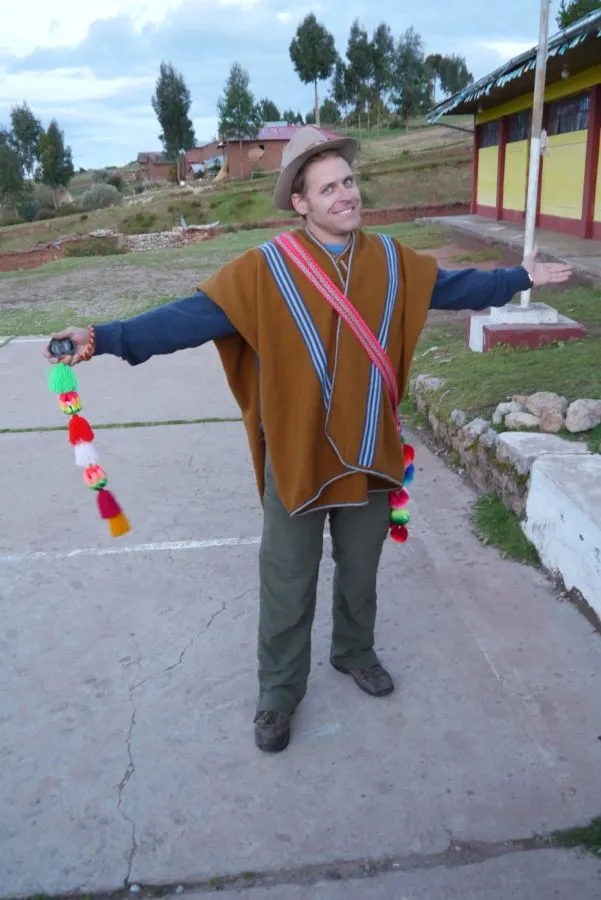
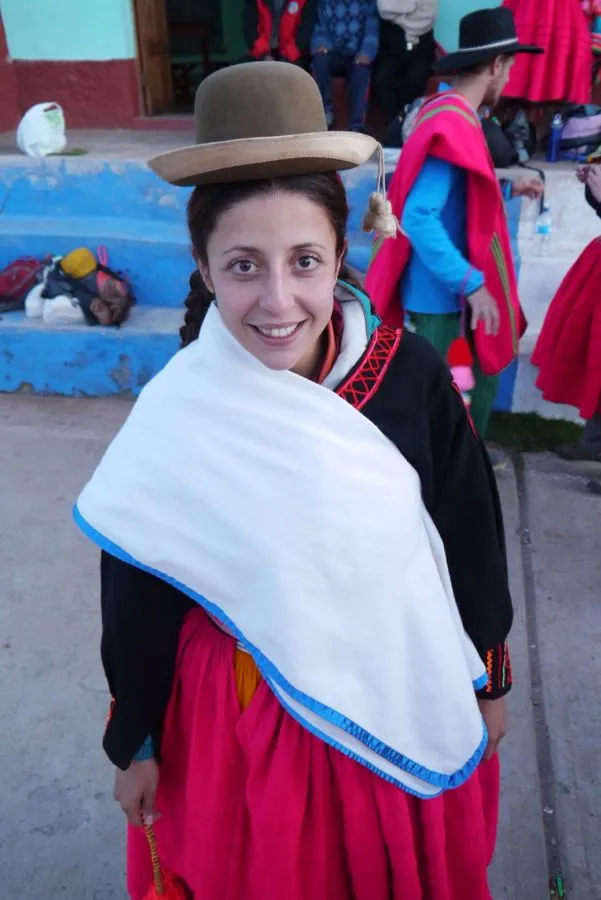
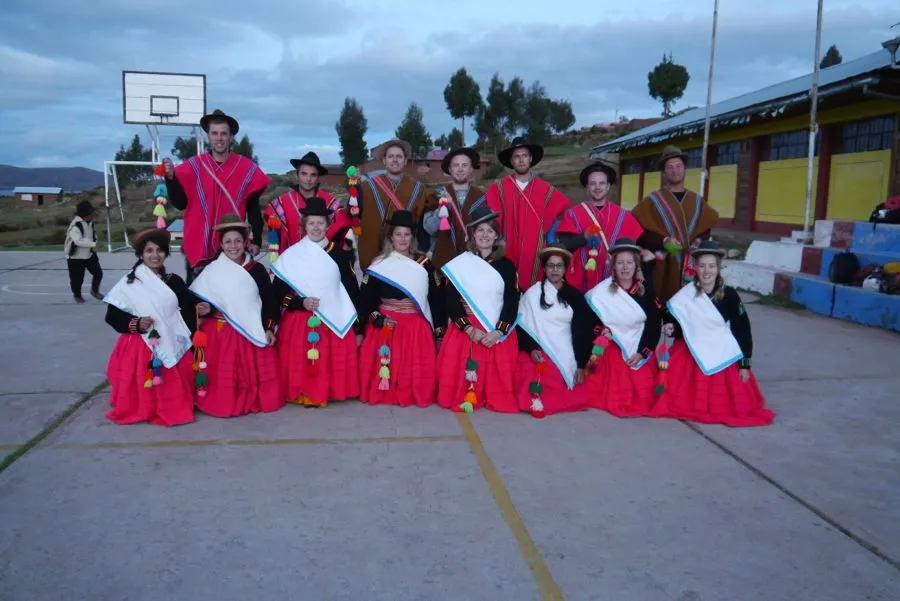
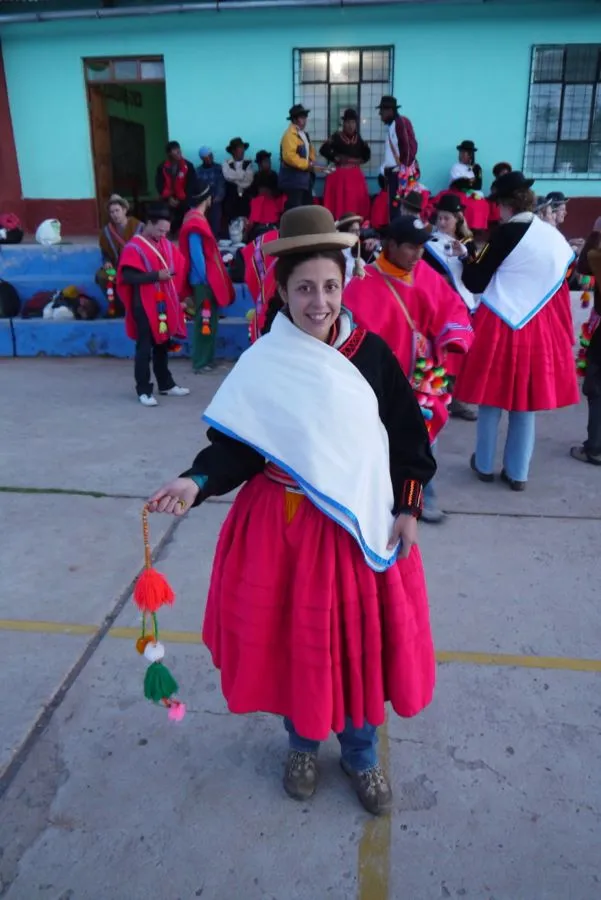
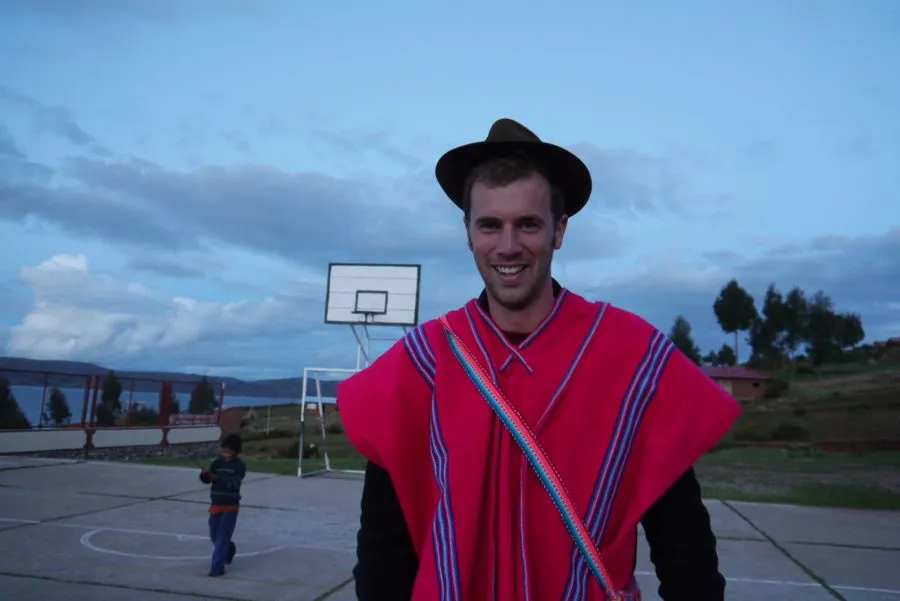
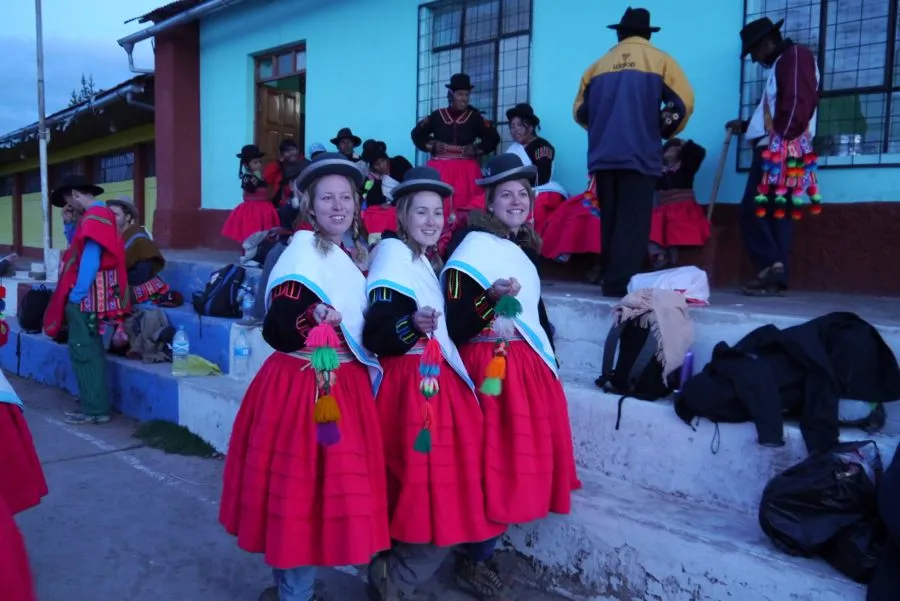
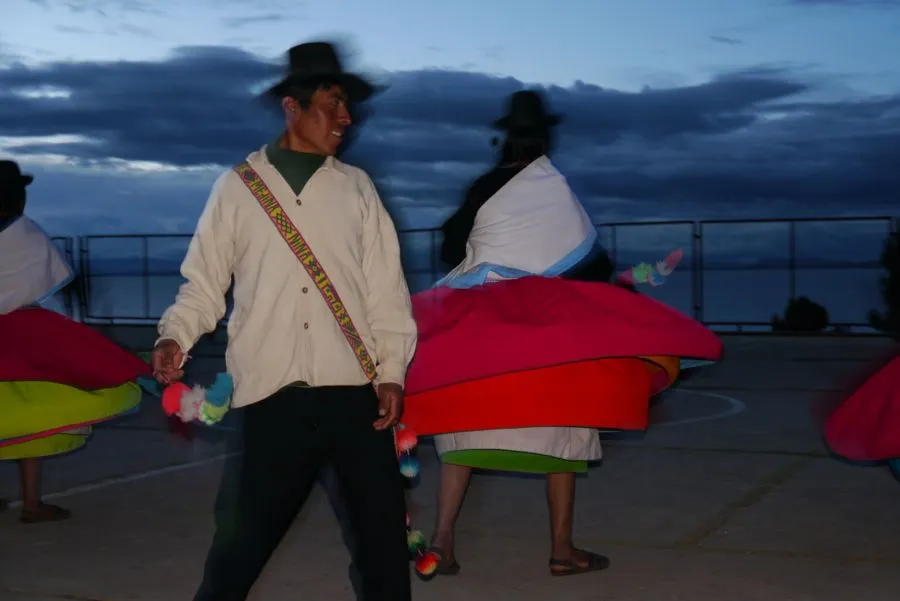
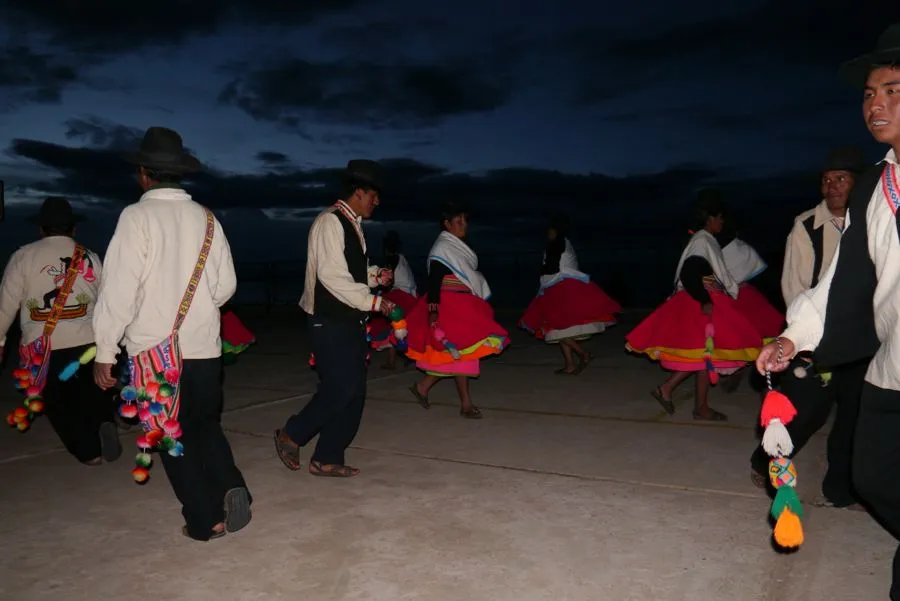
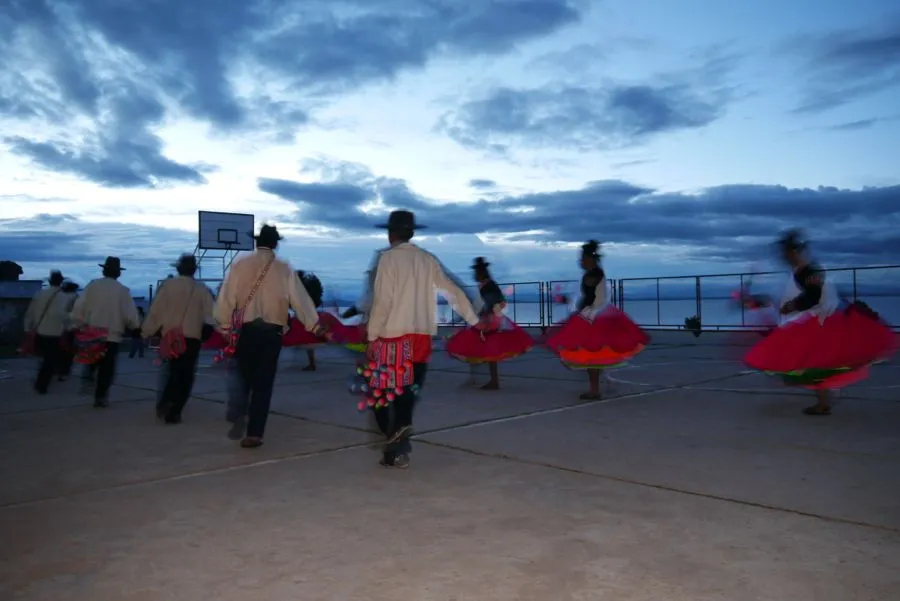
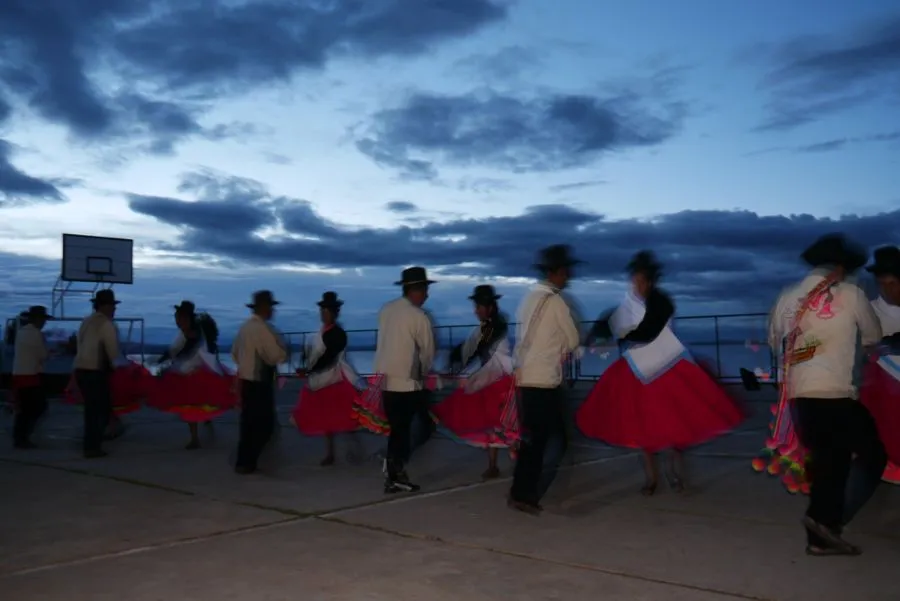
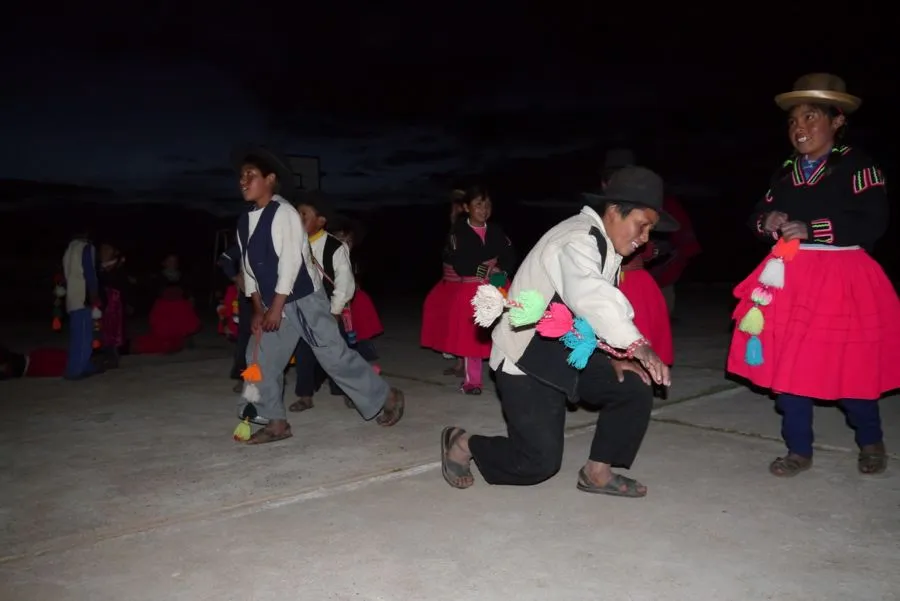
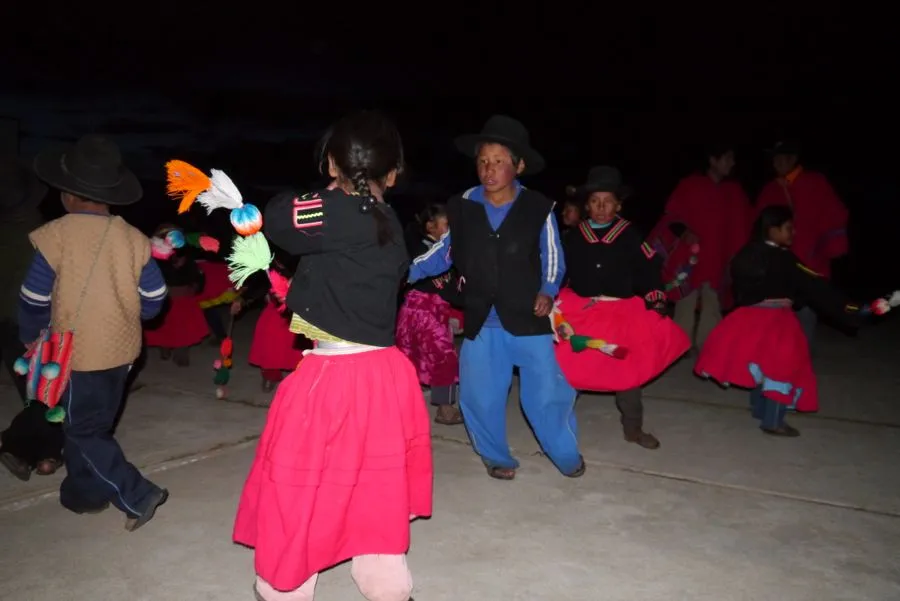
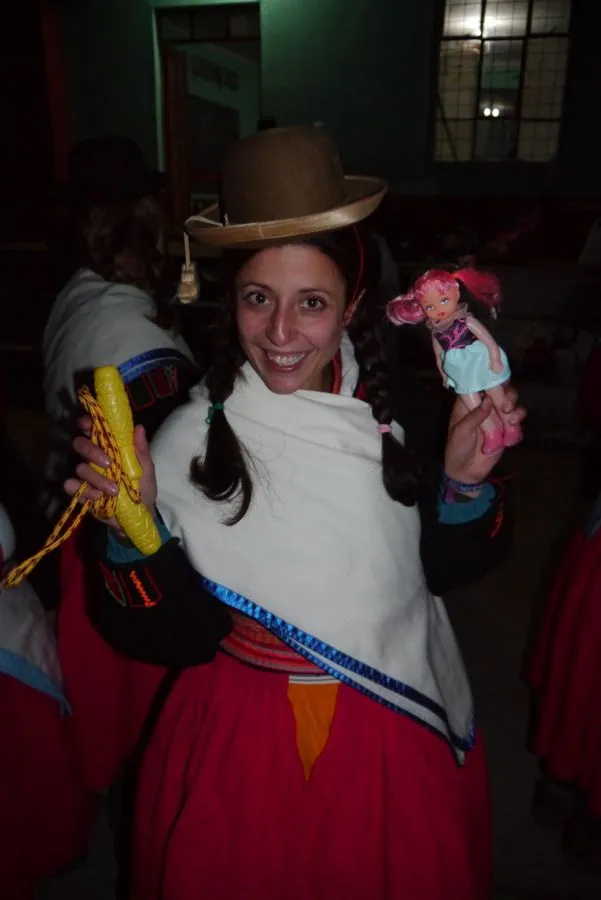
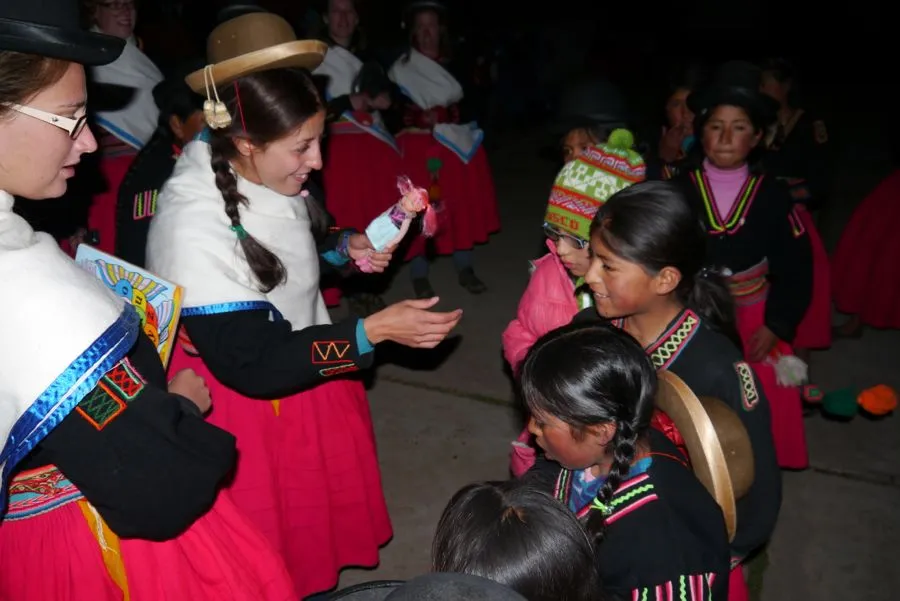
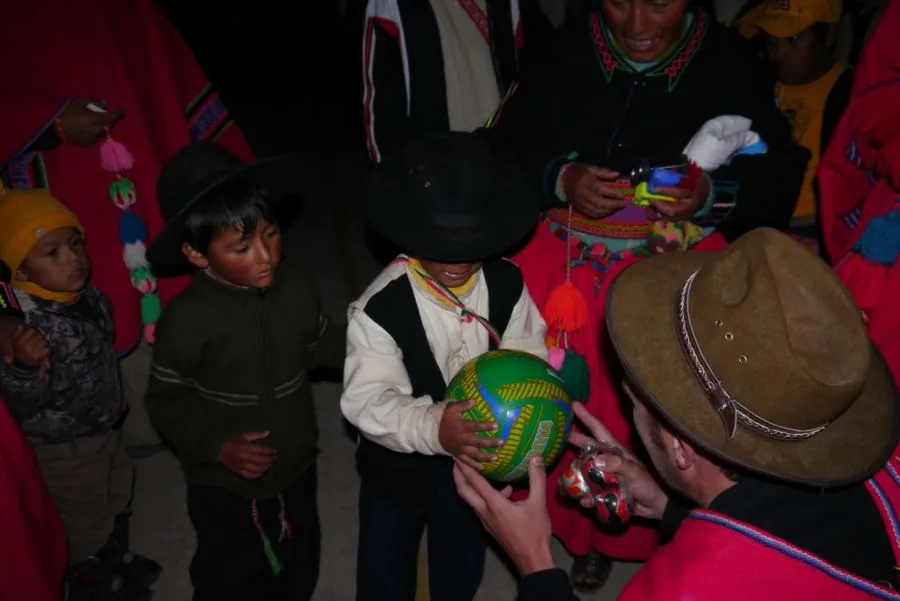
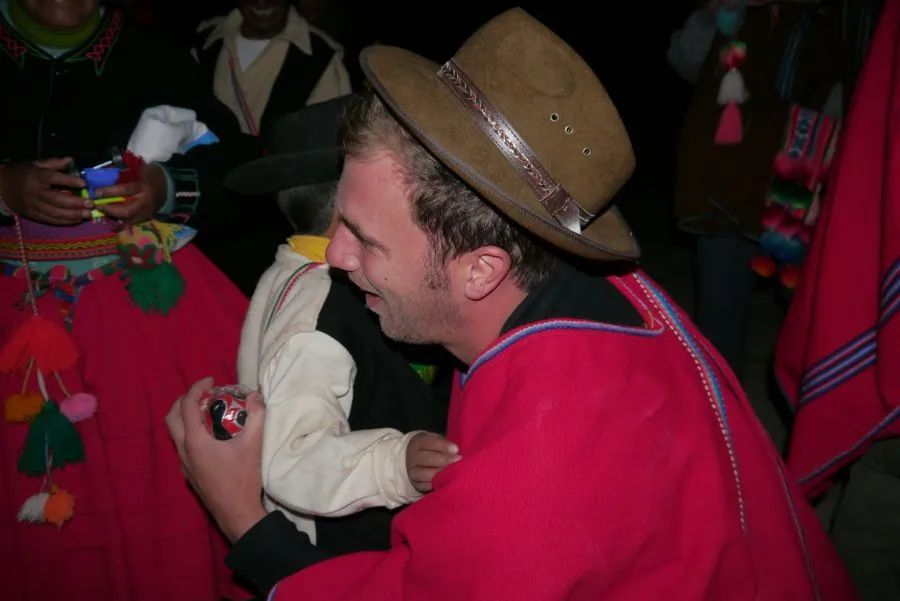
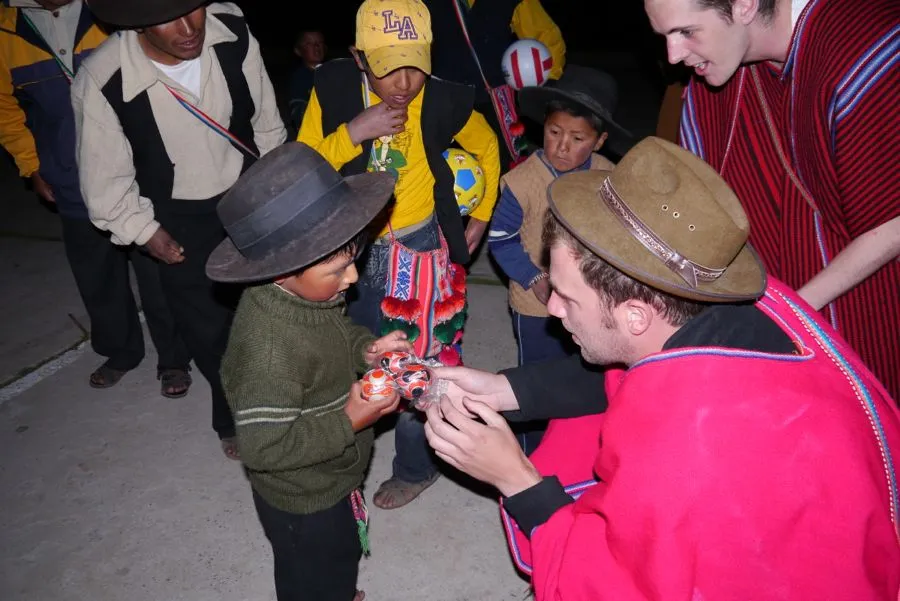
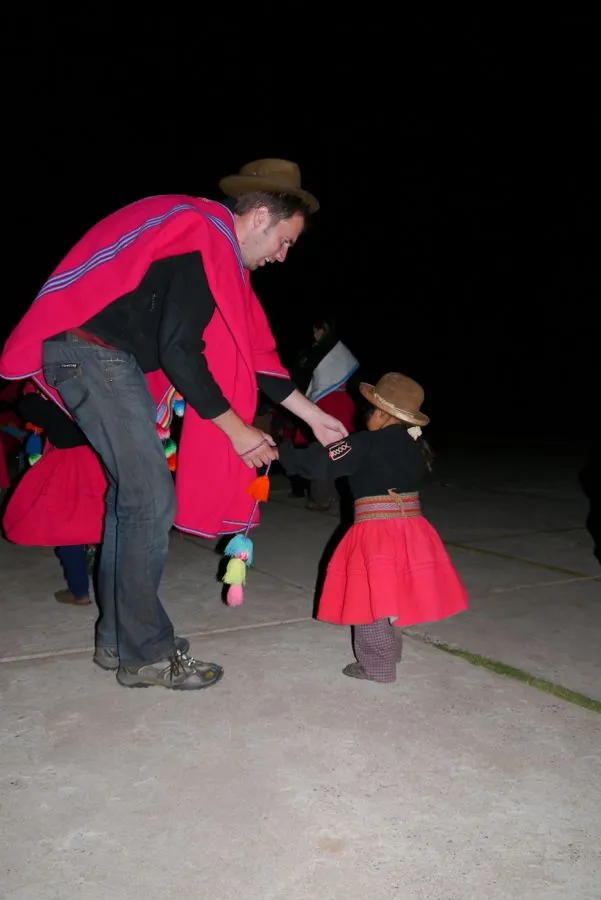
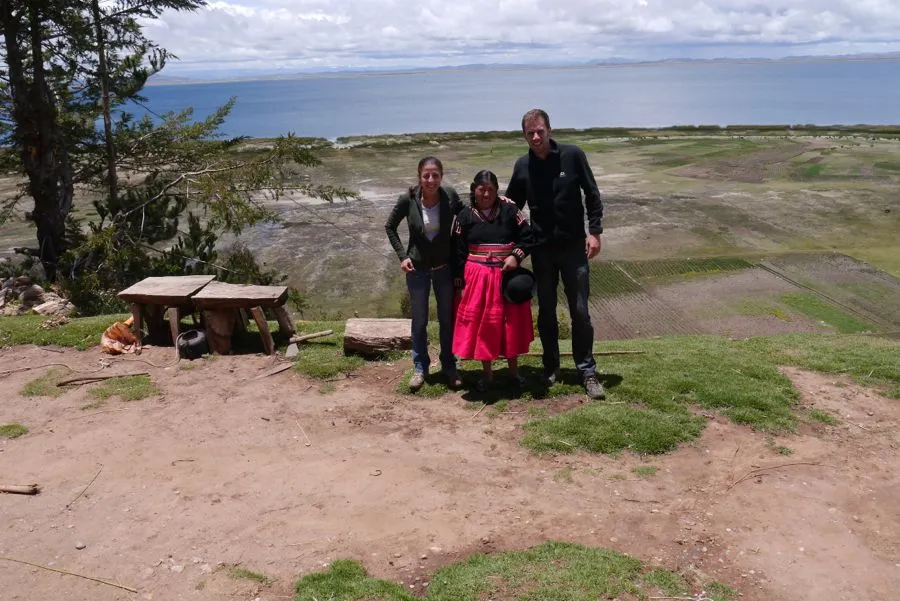
We were then introduced to our mamas and papas who we'd be staying with and they proceeded to dress us up in their traditional clothing. It was hilarious seeing one another in flaring pink skirts and the boys looked extra special with their Coca bags with fluffy pom pom balls as decorations. Our mama, Reina, even went to the trouble of platting my hair and with the addition of our new hats we were now complete. We sat down to watch the community perform their traditional dances. First the elders with their skirts flaring up high, then the little kids (even some tiny tots of 3 were dancing for us and they were so cute getting their routine completely wrong but having a great time). After we tried our hand at the traditional dance and getting many laughs from the locals, we had the kids line up so we could give them their Christmas presents. we could see them all look at one another comparing gifts and some girls were being cheeky hiding theirs to see if they could get a second or a third gift. There was more dancing later and Mark got asked to dance by the smallest of the little girls and it was so cute seeing him stoop all the way down to reach her tiny hands.
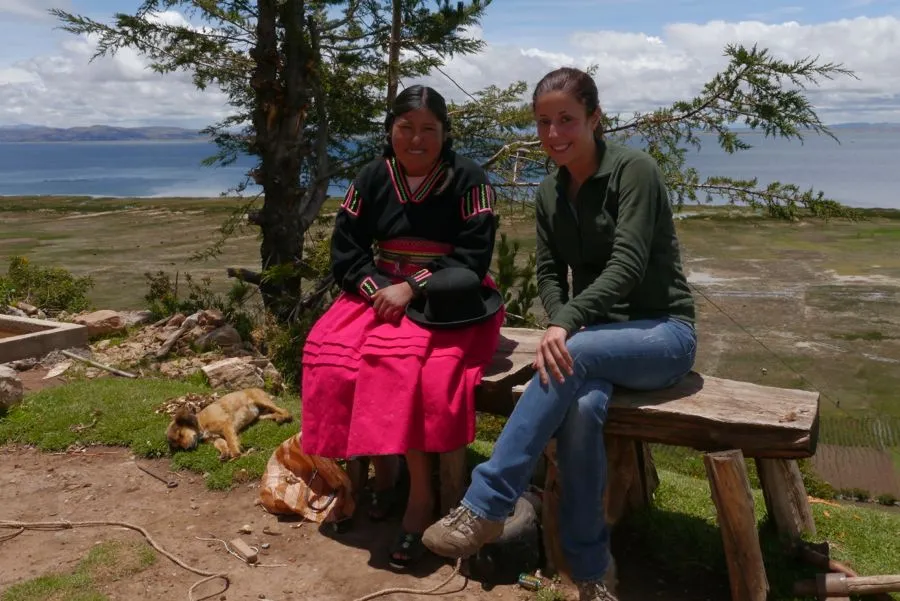
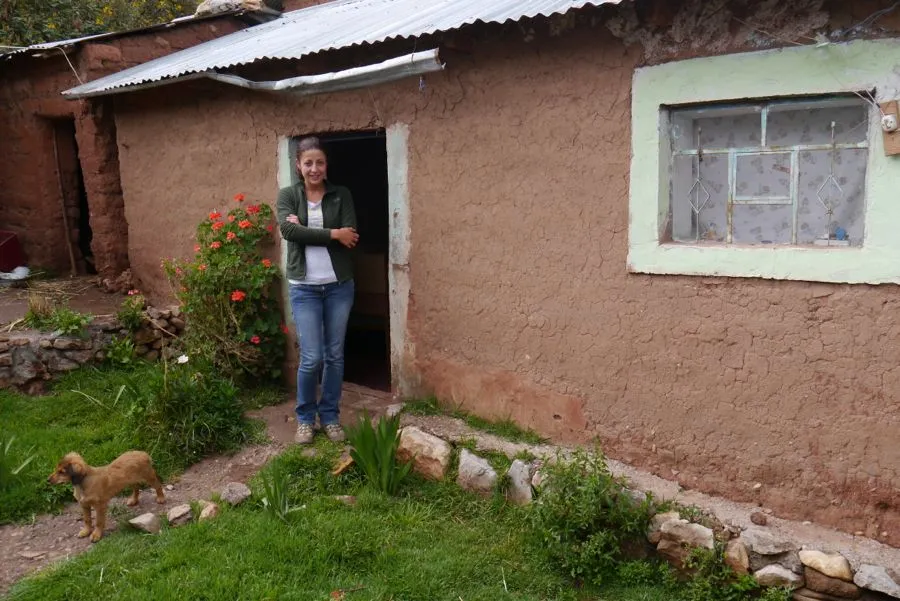
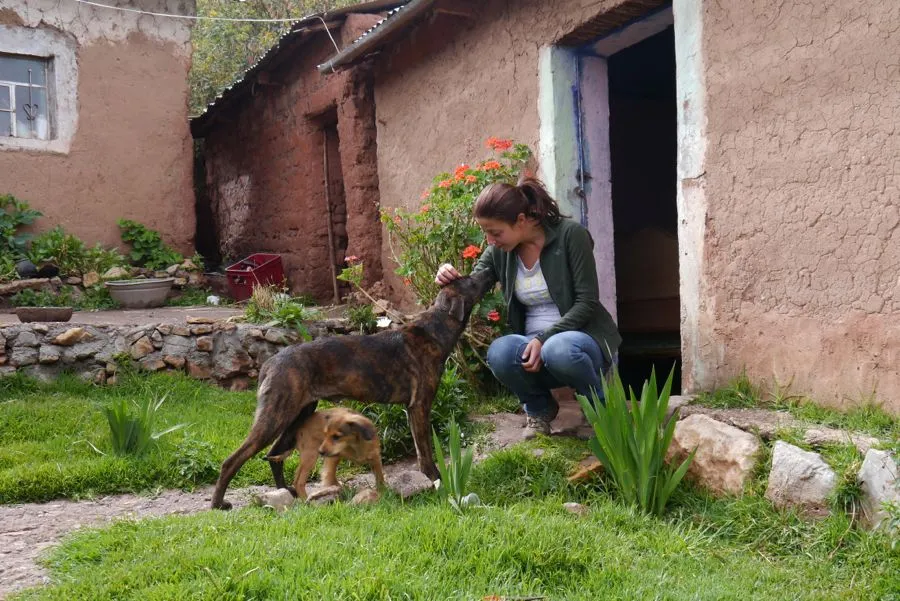
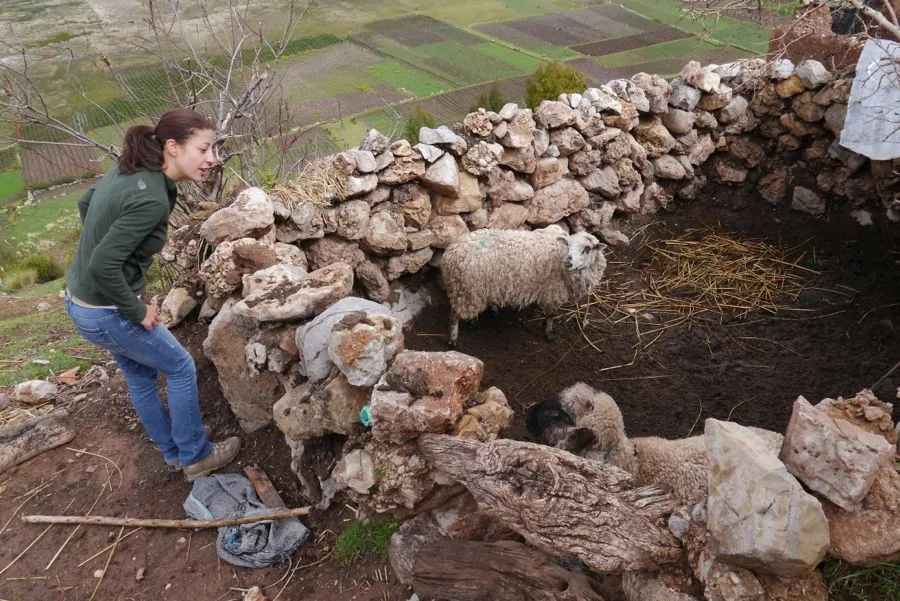
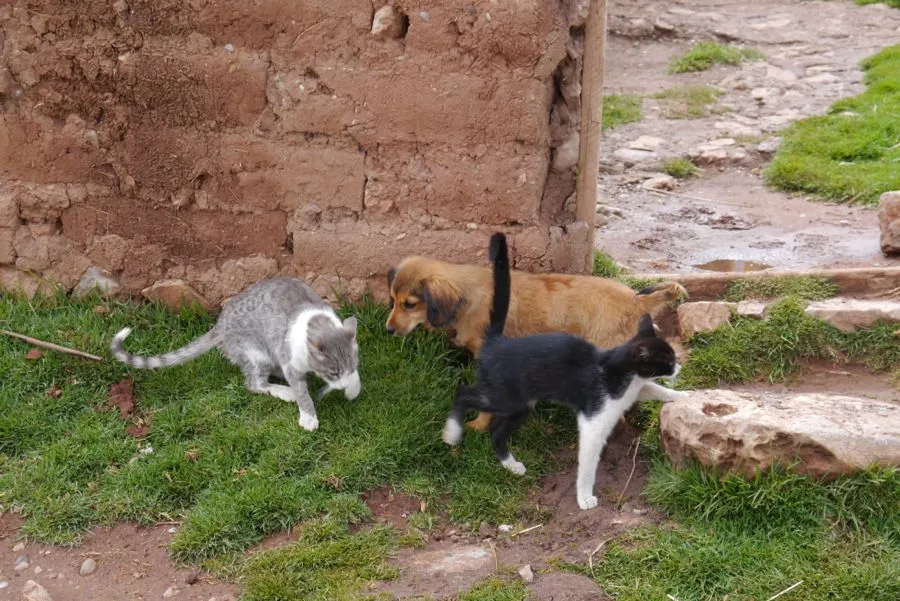
Our night ended with us following Reina up the hill on a very dark path for about 15 minutes to her house. Over our evening meal of lovely potato soup we found out she was just 15 and lived with her parents. All of her older siblings had left home and were living in Puno. They owned most of the land surrounding their simple mud-brick house and made their living from farming. They had sheep, pigs, donkeys, more than a few cats and 2 gorgeous dogs. The little room we were staying in opened directly into a tiny courtyard which also gave access to the outdoor bathroom, small kitchen and their own living quarters. Next door lived her grandparents, who were now too old to do any of the work, so Reina's family were looking after them too. We had a choice of beds in our room, as the room could easily accommodate 4 and was probably where the rest of her siblings had slept before they flew the nest to Puno. We picked one of the beds covered in many layers of very heavy blankets (no heating system means that it can get pretty cold at night) and had one of the best nights sleep.
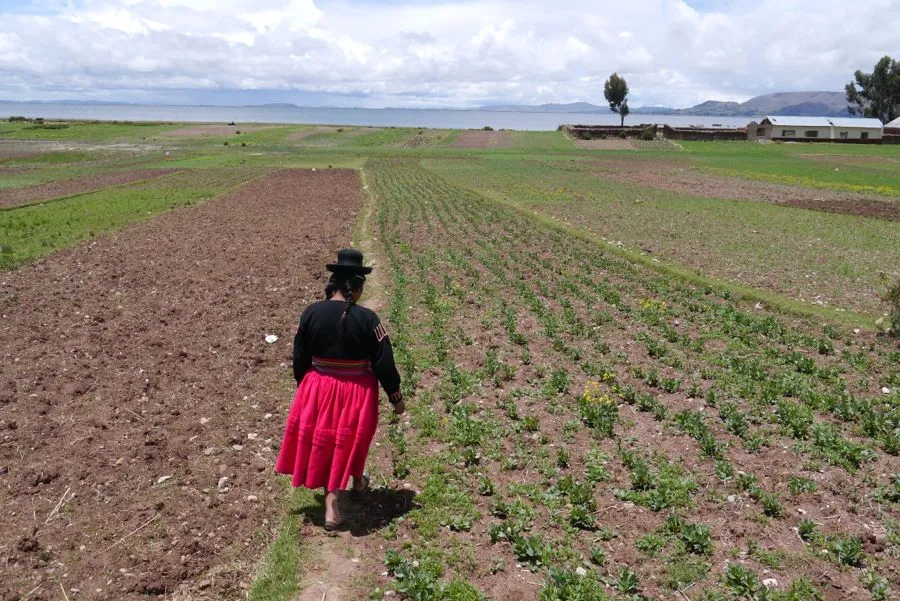
Next morning, after our breakfast of fried bread and eggs, we asked to help Reina in her daily routine. She took us further up the hill to one of their fields and we ploughed and sowed it by hand. It was such hard work and both Mark and I came away with back ache and multiple blisters on our hands, but it felt good to do some honest hours work. After more potato based soup, followed by rice and chips (they rarely have meat, as it's so expensive and their own animals are slaughtered only for big festivities), we had to say goodbye and walked down to meet the rest of our group, who had all had an equally wonderful experience of their own.
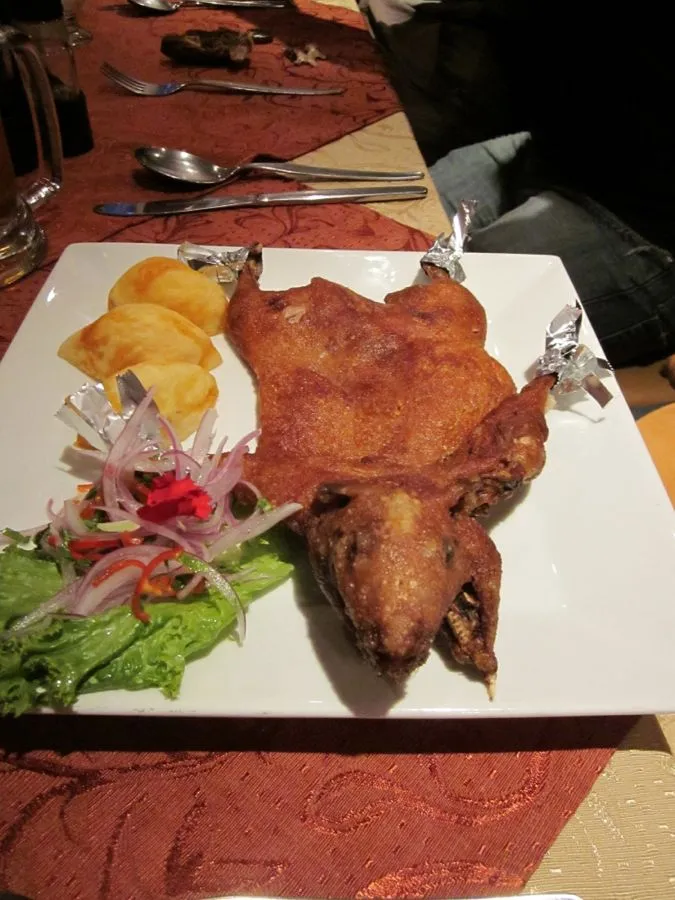
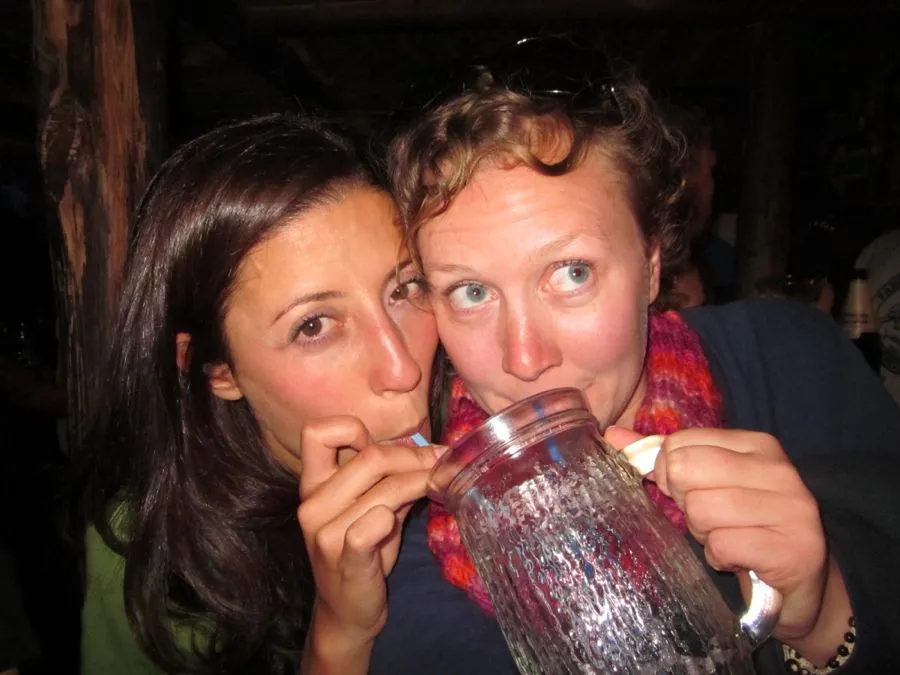
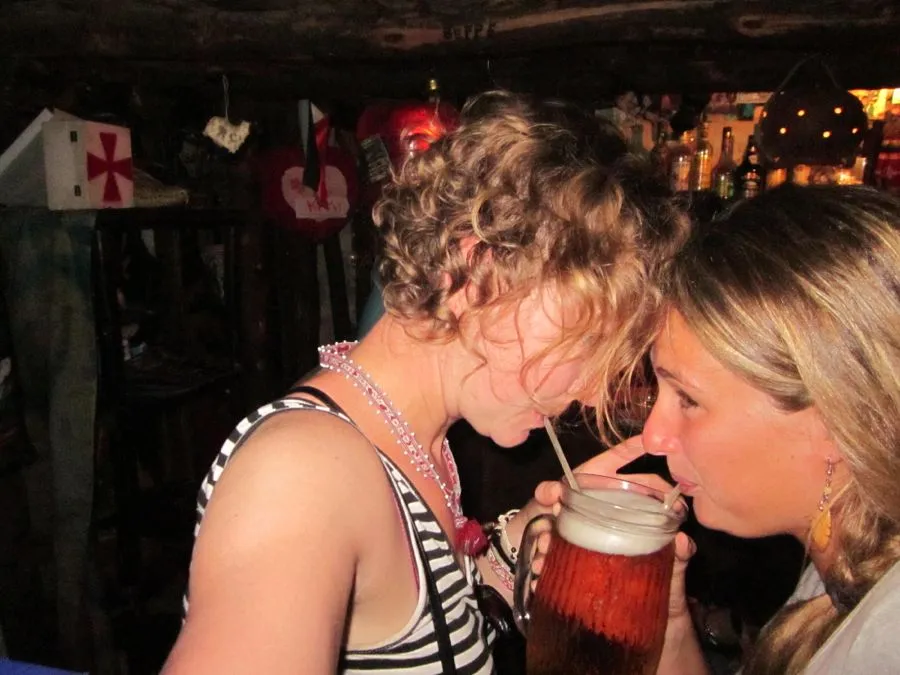
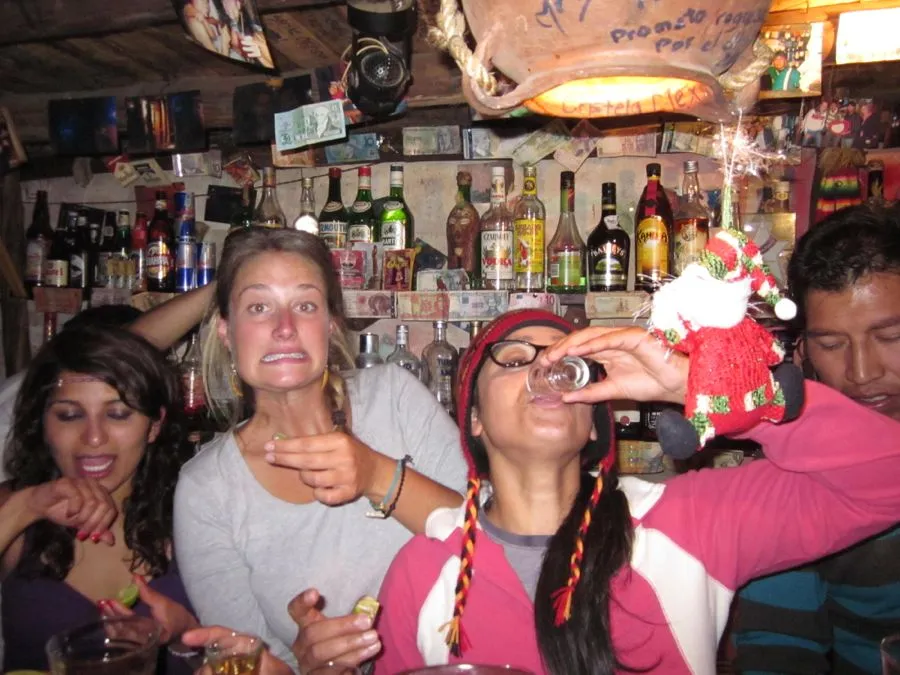
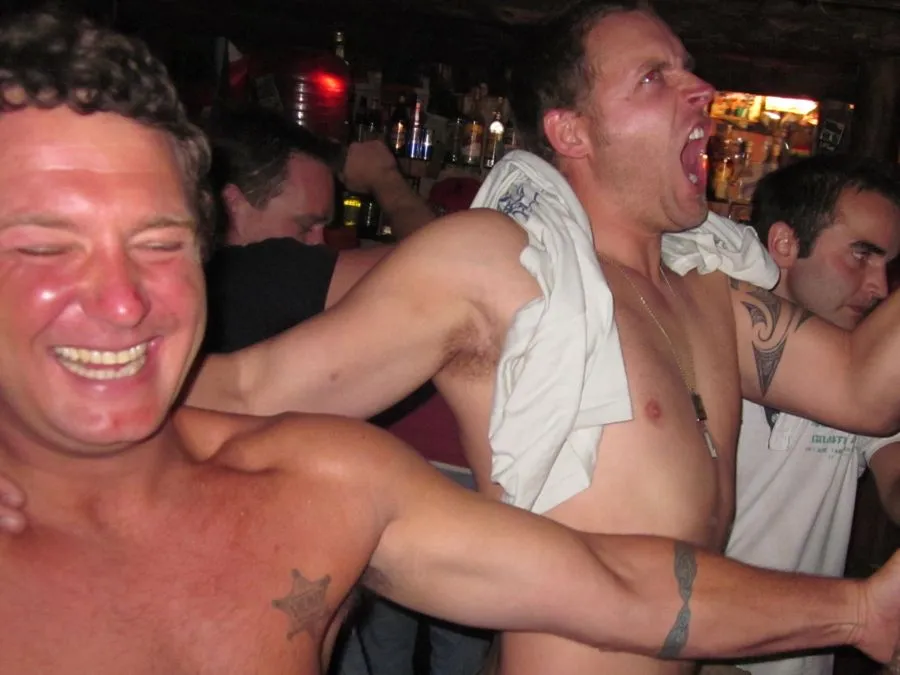
For dinner, back in Puno, we went to a traditional Peruvian restaurant. Mark and a number in our group opted for the delicacy of roasted 'Cuy' or guinea pig. It looked hideous and I was rather pleased that due to a promise I had made a couple of days before I couldn't try it. After dinner we went out to a wicked bar where we could request our own music, there were many cocktails and some of the ladies in our group ended up behind bar getting us free shots of tequila. Needless to say the night ended with boys taking their shirts off and us all dancing like idiots to hideously cheesy music.